 Art
Art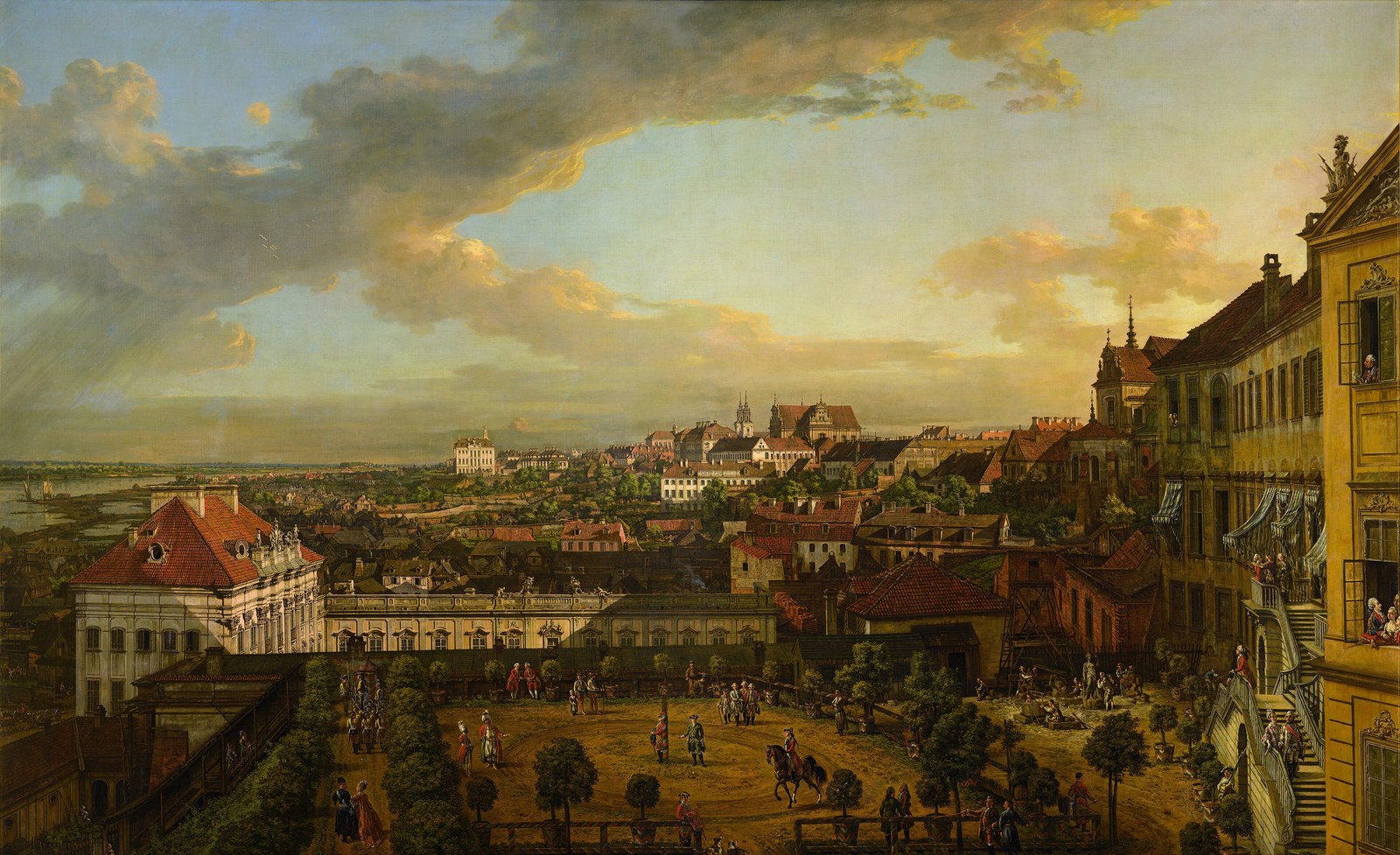
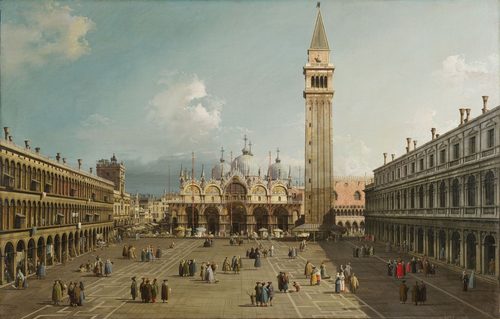
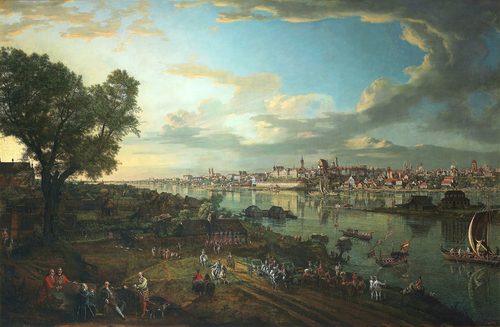
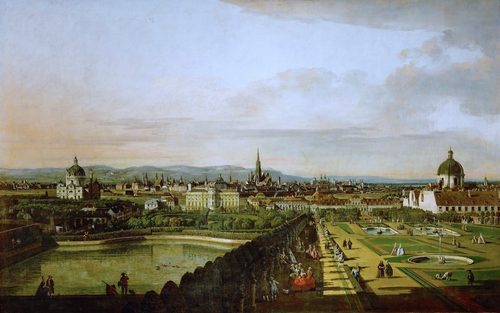
A cityscape is a painting or print in which a city's buildings, streets, and skyline are the primary subject, rather than a backdrop for portraits or history scenes. The genre grew out of the topographical view, or veduta, practiced by Dutch and Italian artists who mapped ports, canals, and piazzas with almost cartographic precision before Grand Tour tourists arrived to buy souvenirs of Venice and Rome. Later cityscapes shed the documentary impulse and chased something harder to pin down: the mood of a place at a particular hour, weather, or pace of modern life. Painters use cityscapes to study light bouncing off stone and glass, the geometry of rooftops and bridges, and the small human figures that give scale to monumental architecture. Whether rendered with a draftsman's ruler or a loaded, gestural brush, a cityscape asks the viewer to read a place the way a portrait asks them to read a face — for character, history, and the particular texture of being lived in.
The rules of the genre
Raised Vantage Point
Cityscapes often place the viewer above street level — from a hill, tower, or upper window — so rooflines, canals, and avenues unfold in legible layers, turning tangled urban geography into a composed, readable panorama.
Atmospheric Perspective
Distance is measured in haze rather than lines: buildings nearest the viewer read crisp and detailed, while those receding toward the horizon soften into blue-gray silhouettes, letting fog or humidity suggest a city's true scale.
Small Figures, Big Buildings
People appear as tiny accents — strolling couples, cart drivers, market vendors — scaled down to emphasize the monumentality of the surrounding architecture, present for liveliness and scale rather than as the picture's real subject.
Golden or Overcast Light
Painters favor extreme lighting conditions, such as low sun raking across facades or flat overcast skies, because directional light reveals architectural texture and carves solid form out of otherwise repetitive grids of windows and stone.
Water and Reflection
Canals, rivers, and harbors recur because still or gently rippling water doubles a skyline, letting painters show a city twice — once solid, once dissolved into shimmering color — adding a second horizon to organize the composition.
Signs of Modern Life
Later cityscapes work in scaffolding, smokestacks, trams, or cranes as proof the city is a living, changing organism rather than a frozen monument, marking the picture's moment in time as clearly as any costume would.
Symbol decoder
How to read a cityscape
- Bridges
- → Read as literal connective tissue between a city's districts, often placed at the composition's center to link foreground and distance.
- Church Spires and Domes
- → Mark the skyline's high points and stand for civic and religious identity — the silhouette by which a city recognizes itself.
- Market Squares
- → Signal the city as a place of commerce and public life, filled with stalls, carts, and crowds transacting business.
- Ruins or Broken Columns
- → In fantastical capriccio cityscapes, stand for the passage of time and the layered history beneath a living city.
- Smoking Chimneys
- → Announce industry and modernity, shifting a cityscape from picturesque record to commentary on urban growth.
- Gondolas or Small Boats
- → Anchor a scene to a specific water-city, most often Venice, and suggest everyday movement through the canals.
The story
Cityscape painting descends from the veduta, the topographical view that flourished in seventeenth-century Dutch harbor towns and eighteenth-century Venice, where painters supplied Grand Tour travelers with precise, souvenir-worthy records of piazzas, canals, and skylines. Because it depicted mere buildings rather than noble deeds or biblical drama, the academic hierarchy ranked cityscape below history painting and portraiture, closer to landscape in prestige. The genre gained new ambition in the nineteenth century as artists began painting the modern metropolis itself — its boulevards, railway stations, and factory smoke — as a subject worthy of serious art, not just documentation. Painters interested in light and atmosphere dissolved architecture into color, while twentieth-century artists pushed the city toward abstraction, fragmenting skylines into geometric planes. Photography eventually took over the documentary function the veduta once served, freeing painted cityscapes to chase mood over accuracy.
Masterpieces of the genre
| Work | Artist | Date | Why it matters |
|---|---|---|---|
| View of Delft | Johannes Vermeer | c. 1660-1661 | A hometown skyline under a dramatic sky, prized for its exact rendering of light on brick, water, and cloud. |
| The Stonemason's Yard | Canaletto | c. 1725 | A working Venetian campo rendered with topographic precision rather than the tourist grandeur Canaletto later became known for. |
| Paris Street; Rainy Day | Gustave Caillebotte | 1877 | Elegant Parisians cross a broad, rain-slicked intersection, using sharp perspective to capture the new boulevards of modern Paris. |
| Rue Montorgueil, Paris | Claude Monet | 1878 | A flag-draped Parisian street on a festival day, dissolved into loose, energetic brushwork and fluttering color. |
| The City | Fernand Léger | 1919 | A fragmented, mechanical vision of modern Paris built from bold planes of color and industrial forms. |
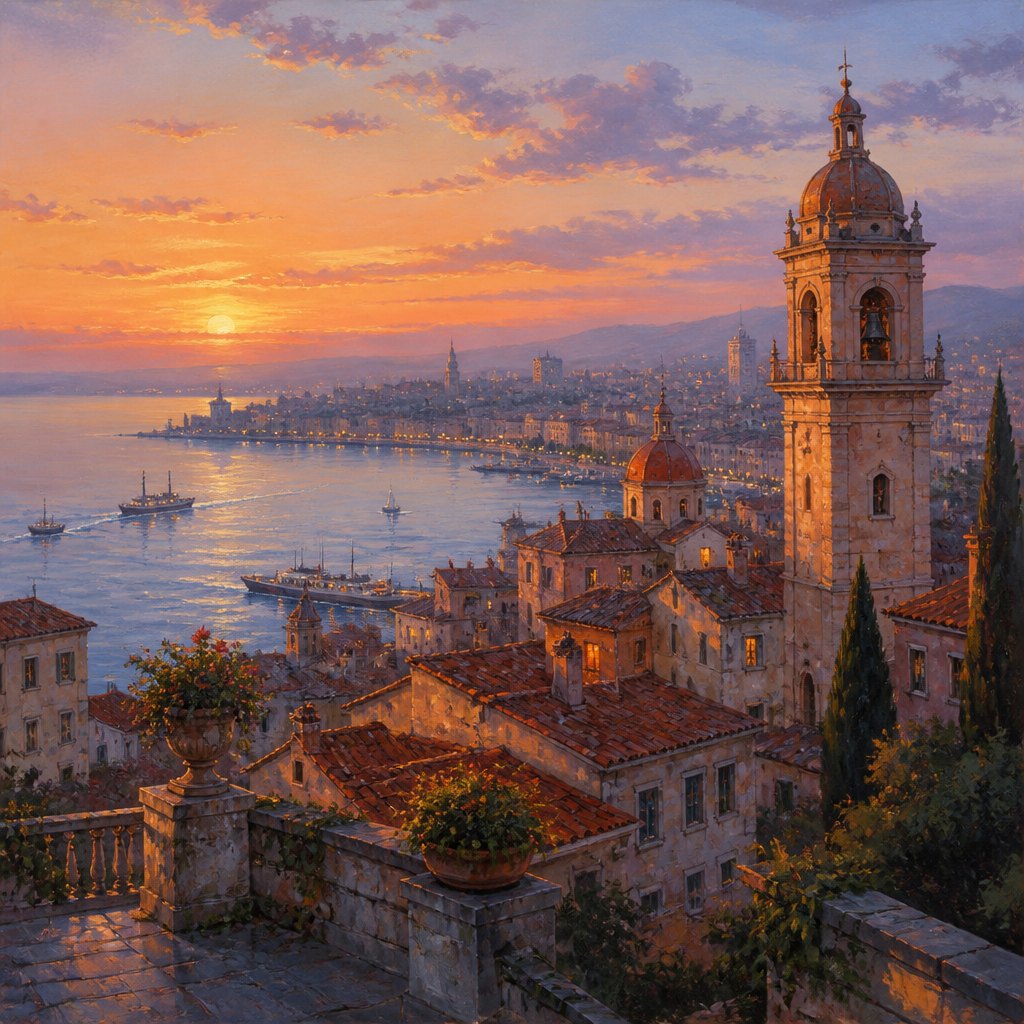 AI-generated
Paint your own
Hang your own cityscape in the salon
This example was generated from a prompt like: “An imagined coastal city skyline at dusk, viewed from a hilltop terrace, red-tiled rooftops and a stone bell tower catching the last warm light, distant boats crossing a calm harbor below, soft haze on the horizon.”
Open the Cityscape Painting Style generator →The genre today
Cityscape conventions now live mostly outside painting — in urban photography, film establishing shots, and video game skylines, all of which still use raised vantage points and atmospheric haze to make a fictional or real city instantly legible. AI image generators lean on the genre constantly, since 'cityscape' prompts reliably produce dramatic skylines, and concept artists use cityscape logic to design believable sci-fi and fantasy metropolises. Contemporary painters keep the tradition alive too, often trading postcard prettiness for grittier, more ambiguous views of urban sprawl and change.
Compose your own
Pick a real or invented skyline and choose your vantage point first — street level flattens a city into facades, while a raised view opens up rooftops and distance. Establish at least three depth zones: crisp, detailed buildings up front, mid-distance structures with softer edges, and a hazy, desaturated horizon. Time your light deliberately — low sun or overcast skies reveal architectural texture better than flat noon light. Add a handful of small figures, vehicles, or boats for scale and life, but keep them secondary to the architecture. Water, bridges, or a central avenue give the eye a path through the scene. Finish with atmosphere — haze, reflected light, or weather — so the city reads as a specific place at a specific moment, not a blueprint.
Frequently asked questions
What is a cityscape painting?
A cityscape is a painting or print that takes a city's buildings, streets, or skyline as its main subject, valuing architecture, light, and atmosphere over any narrative happening in the foreground.
What's the difference between a cityscape and a veduta?
Veduta is the historical term for a precise, near-documentary city view popular in Venice and Holland; cityscape is the broader modern label covering both accurate views and looser, mood-driven interpretations of urban space.
Do cityscapes need people in them?
No — many cityscapes are nearly empty, using architecture and light alone to carry the composition. When figures appear, they are usually small and secondary, added for scale and life rather than narrative focus.
Why did artists paint the same city view over and over?
Repeated views, like a boulevard painted in different seasons or times of day, let artists study how changing light and weather transform an identical scene — a favorite exercise in atmosphere over documentation.