 Art
Art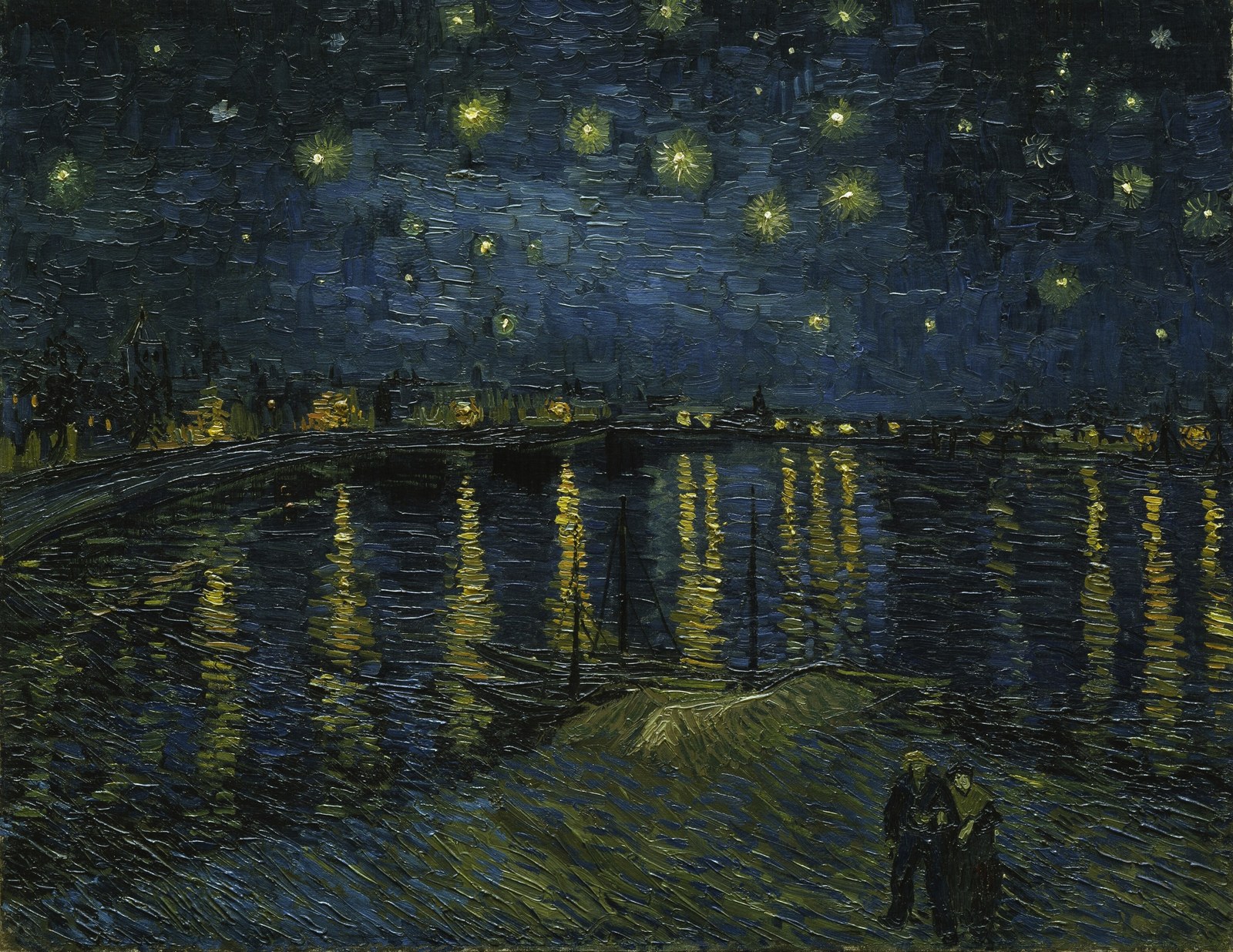
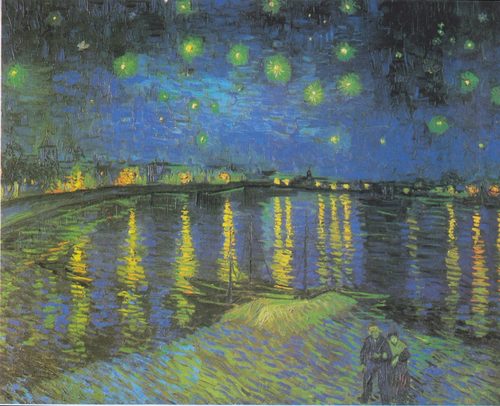
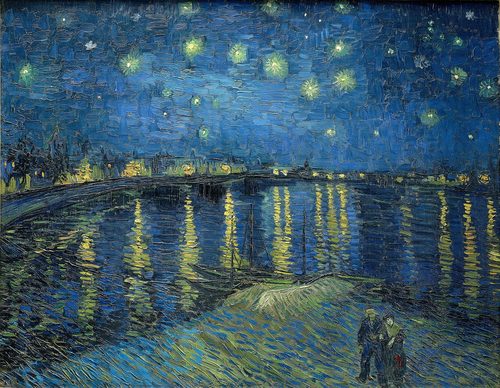
A nocturne is a painting set at night, built around artificial or moonlit light rather than the full color range of daylight. The term borrowed its name from music, where a nocturne evokes the mood of nighttime through slow, atmospheric composition, and nineteenth-century painters adopted it to signal that tone and mood mattered more than topographical accuracy. Nocturnes range from moonlit harbors and fog-wrapped rivers to gaslit city streets and quiet domestic interiors lit by a single candle. Because darkness erases most local color, painters reduce their palettes to a narrow range of blues, grays, and ambers, relying on subtle value shifts rather than hue to describe form. The genre appealed to painters interested in mood over description, and to patrons drawn to the quiet, almost abstract beauty of a world stripped of its daytime detail. A nocturne rewards slow looking — the longer you stay with one, the more it reveals.
The rules of the genre
Narrow Tonal Range
Nocturnes work in a compressed palette of blues, grays, and ambers, since darkness erases most local color; painters rely on subtle shifts in value rather than hue to model form and suggest depth.
Single Light Source
A moon, lamp, window, or distant fire typically supplies the only illumination in the scene, and everything else is built as a gradient of darkness radiating outward from that one point of brightness.
Silhouette Over Detail
Figures, trees, and buildings are often reduced to flat, dark silhouettes against a lighter sky or water, trading anatomical or architectural detail for a simplified, graphic shape that reads instantly in low light.
Reflected Light on Water
Rivers, harbors, and rain-slicked streets appear often because wet or still surfaces catch and scatter whatever light is available, doubling a scene's few bright accents and adding shimmer to an otherwise dark composition.
Hazy, Softened Edges
Fog, smoke, or simple atmospheric distance blur contours so forms melt into the surrounding dark rather than standing crisply apart from it, giving nocturnes their characteristic hushed, dreamlike quality that resists sharp, daylight description.
Near-Empty Compositions
Nocturnes favor sparse, quiet arrangements — a single boat, one lit window, a lone figure — since a crowded scene would fight the genre's hushed, meditative mood and undercut the drama of scarce light.
Symbol decoder
How to read a nocturne
- Moon
- → The dominant light source and mood-setter, standing for romance, mystery, or melancholy depending on how fully it is veiled by cloud.
- Gaslamp or Lantern
- → Signals modern urban night life and gives painters a warm, artificial counterpoint to cool moonlight or starlight.
- Fog
- → Softens and mystifies a scene, suggesting secrecy or the way night dissolves familiar daytime landmarks.
- Lit Window
- → A small glowing square in a dark facade implies unseen domestic life continuing just out of view.
- Still Water
- → Doubles the sky and its few lights, turning a harbor or river into a second, inverted nocturne within the painting.
- Smoke or Steam
- → Marks industry or transport still running after dark, tying a nocturne to modern urban labor rather than pure reverie.
The story
Nocturne painting has roots in Baroque candlelit scenes, but it crystallized as a named genre in the late nineteenth century, when painters began exhibiting night scenes explicitly titled 'Nocturnes,' borrowing the term from music to emphasize mood and harmony over descriptive accuracy. Critics initially mocked these hazy, near-abstract night views as unfinished or slight, since the academic hierarchy prized clearly legible narrative and detail above atmosphere. That controversy helped define the genre's ambitions: a nocturne was meant to be judged as a tonal arrangement, closer to music than to reportage. The rise of gas and electric lighting gave painters new subjects — glowing shop windows, illuminated bridges, and fog-wrapped streetlamps — with no daytime equivalent. Photography later took over much of nocturnal documentation, but painters kept returning to night scenes for the mood and abstraction unavailable in full daylight.
Masterpieces of the genre
| Work | Artist | Date | Why it matters |
|---|---|---|---|
| Nocturne in Black and Gold – The Falling Rocket | James McNeill Whistler | 1875 | A firework's spark dissolving over a dark park, at the center of a famous lawsuit over abstraction and value in art. |
| The Starry Night | Vincent van Gogh | 1889 | A swirling night sky over a quiet village, one of the most recognized nocturnes in Western painting. |
| Nighthawks | Edward Hopper | 1942 | A brightly lit diner isolated in an otherwise dark city street, a twentieth-century update of the nocturne's lone-light formula. |
| Moonrise over the Sea | Caspar David Friedrich | 1822 | Tiny figures watch a moon rise over a darkening sea, using scale to make night feel vast and contemplative. |
| Boulevard Montmartre at Night | Camille Pissarro | 1897 | A rare nocturnal entry in Pissarro's daylight boulevard series, gaslit and glowing under a deep blue Paris sky. |
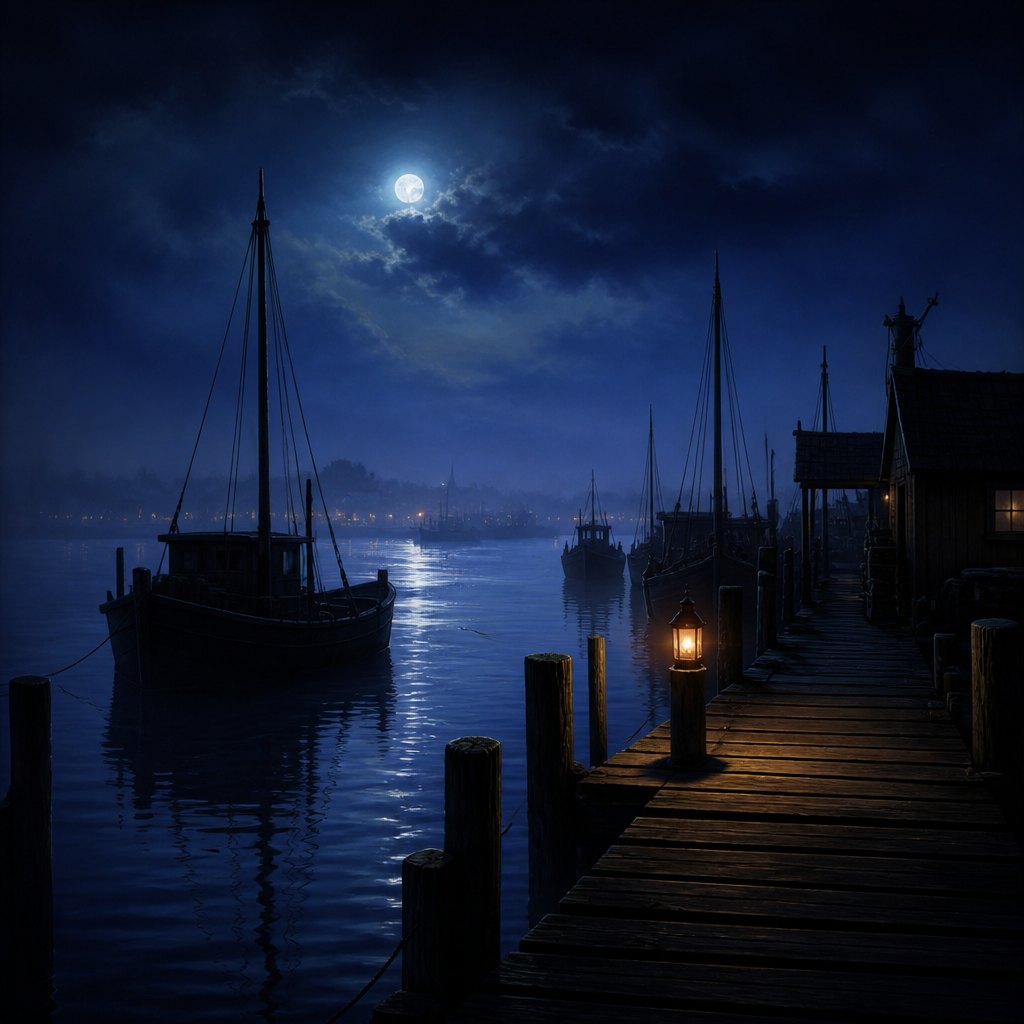 AI-generated
Paint your own
Hang your own nocturne in the salon
This example was generated from a prompt like: “An imagined fishing harbor at midnight, one lantern glowing on a wooden pier, moored boats as dark silhouettes against a deep blue sky, faint moonlight rippling across still water, distant fog softening the horizon.”
Open the Nocturne Painting Style generator →The genre today
Nocturne conventions now shape film noir cinematography, video game night levels, and photography's blue hour, all built on the same single-light-source logic and compressed tonal range. AI image generators handle 'nocturne' prompts well, since the genre's reliance on strong value contrast rather than fine detail suits generated imagery. Contemporary painters and photographers keep chasing the same hushed mood — cities and landscapes stripped of daytime color, left with only their few essential points of light.
Compose your own
Choose one light source — moon, lamp, or lit window — and let everything else exist as darkness graded outward from it. Compress your palette to two or three closely related dark hues, saving true brightness for only the smallest highlights. Simplify shapes into silhouettes rather than detailed forms; night flattens contour into shape. Include a reflective surface like water or wet pavement to double your light source and add shimmer. Leave most of the composition empty and quiet — nocturnes work through restraint, not incident. Push contrast hardest right at the light source, and let it fall away fast, so the eye has one clear place to rest before wandering into the dark.
Frequently asked questions
What is a nocturne in painting?
A nocturne is a painting set at night, built around a limited palette and a single light source such as the moon or a lamp, prioritizing mood and tone over full daytime color and detail.
Why is it called a 'nocturne' if that's a music term?
Painters borrowed the word from music deliberately, arguing that a night scene should be judged as a harmonious arrangement of tone and mood, much like a musical composition, rather than as a literal record of a place.
What colors are used in nocturne paintings?
Nocturnes typically use a narrow range of blues, grays, and ambers. Darkness removes most visible local color, so painters rely on subtle value changes rather than varied hues to describe form.
Is a nocturne always a nighttime cityscape?
No — nocturnes can be seascapes, landscapes, or domestic interiors as easily as city streets. What defines the genre is the low, limited light, not any particular setting.