 Art
Art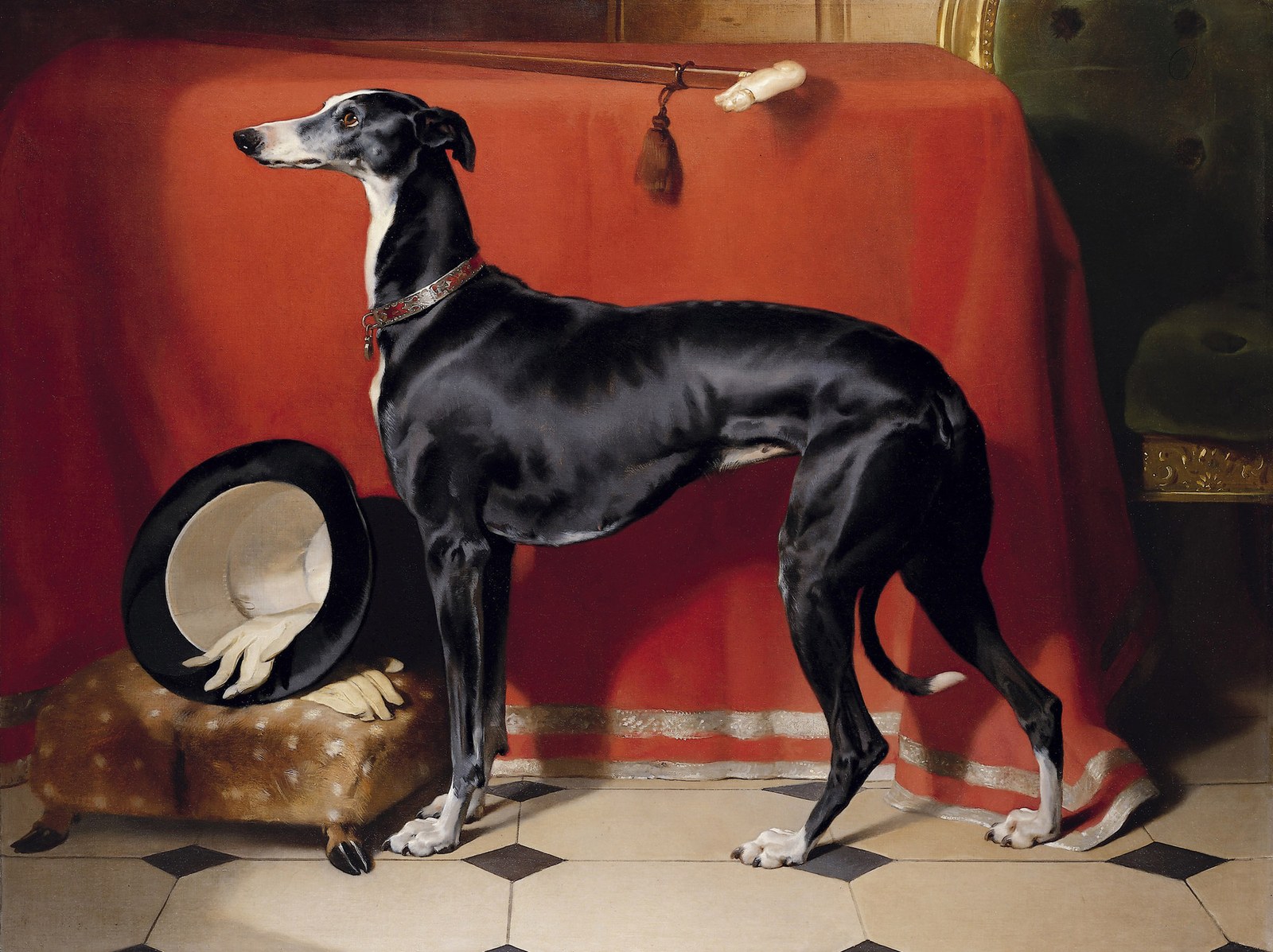
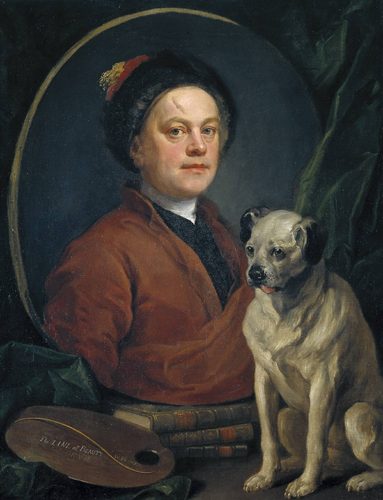
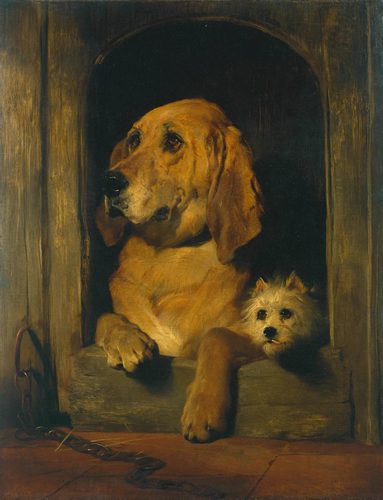
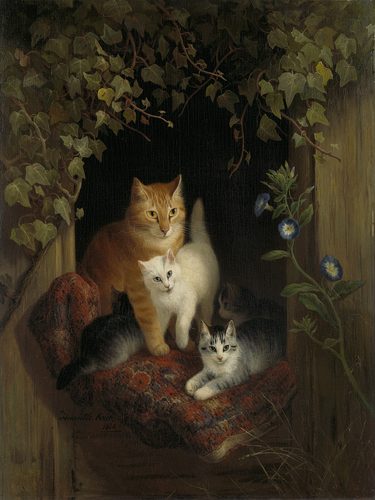
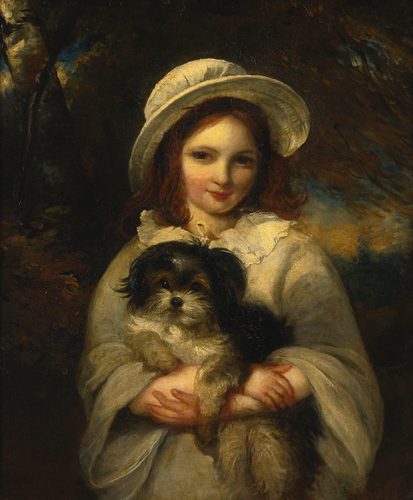
A pet portrait is a picture devoted to an individual animal, most often a dog, cat, or horse, painted with the same care, likeness, and status usually reserved for a human sitter. Unlike animals shown as props or symbols within a larger portrait, a true pet portrait treats the creature as the subject in its own right, with a name, a personality, and often a place in the family it belonged to. The genre grew directly out of wealthy households wanting a record of a beloved or valuable animal: a prize hunting dog, a champion horse, a lapdog gifted between courtiers. Painters had to capture likeness in a way that read as convincingly individual, the particular set of a dog's ears, the color pattern of a cat's coat, rather than a generic type. Because commissioning a pet portrait required real disposable income, the genre also quietly signaled wealth and leisure, and it has always sat somewhere between sincere affection and social display, a tension that still defines the genre today.
The rules of the genre
Individual likeness over type
The animal is rendered with specific, identifiable features, an unusual coat marking, a particular ear shape, rather than as a generic dog or cat, proof that this exact animal, not just its species, mattered to the patron.
Direct, alert gaze
Pets are typically shown looking straight at the viewer or slightly off to one side with ears up and eyes bright, a pose that reads as personality and attentiveness rather than a sleepy, incidental animal.
Plain or estate setting
Backgrounds range from a simple neutral ground to a recognizable garden, kennel, or stable, situating the animal firmly within the specific household or estate it happened to actually belong to.
Prized possessions nearby
A collar, ribbon, favorite toy, or hunting gear placed near the animal signals its role and value within the household, much like tools identify a sitter's profession in a human portrait.
Scale games
Small pets are sometimes shown slightly larger or more prominent than they would appear in life, while grand animals like horses may be shown at full, imposing scale to convey their importance.
Companion inclusion
Pets often appear alongside a favorite toy, a matching pet, or a human hand resting on their back, a small gesture that signals the bond between owner and animal even when the owner isn't fully in frame.
Symbol decoder
How to read a pet portrait
- Collar or ribbon
- → Marks the animal as owned, cherished, and cared for rather than a stray or working animal.
- Direct alert gaze
- → Signals personality and intelligence, treating the animal as a character rather than a decorative object.
- Hunting gear nearby
- → Identifies a sporting dog's role and the owner's status as a hunter or landowner.
- Estate or kennel backdrop
- → Ties the animal to a specific household or property, reinforcing its place within the family's wealth.
- Hand on the animal
- → A small gesture of affection that implies the unseen owner just outside the frame.
- Matched pair of animals
- → Two pets shown together often signals breeding stock, a matched set, or shared companionship within the household.
The story
Animals appeared in art for millennia as symbols within larger scenes, but the pet portrait as a dedicated genre emerged as wealthy patrons began commissioning likenesses of specific, named animals rather than generic livestock or hunting scenes. Dogs were the earliest and most frequent subjects, prized as hunting companions and status symbols among the aristocracy, followed by horses, valued both financially and for their role in equestrian sport. The genre expanded significantly as the sporting and country-house culture of eighteenth- and nineteenth-century Europe created steady demand for portraits of prize animals, and specialist animal painters built entire careers around capturing convincing likenesses of horses, dogs, and livestock. Academic hierarchies ranked animal painting well below history painting or even human portraiture, treating it as a minor specialty, but the best practitioners were prized and well paid regardless. The rise of the middle-class pet-owning household in the nineteenth century broadened the genre beyond the aristocracy for the first time.
Masterpieces of the genre
| Work | Artist | Date | Why it matters |
|---|---|---|---|
| Whistlejacket | George Stubbs | 1762 | A rearing racehorse rendered at near life-size against a blank background, among the most famous animal portraits in British art. |
| Mares and Foals in a Landscape | George Stubbs | c. 1762–1768 | A calm procession of horses individually characterized, showing how a single painter could turn stable records into fine portraiture. |
| Dignity and Impudence | Edwin Landseer | 1839 | A bloodhound and a Scottish terrier share a kennel doorway, a beloved study in contrasting canine personalities. |
| A Distinguished Member of the Humane Society | Edwin Landseer | 1838 | A Newfoundland dog posed with solemn dignity, part of a career-long project of giving individual dogs real character on canvas. |
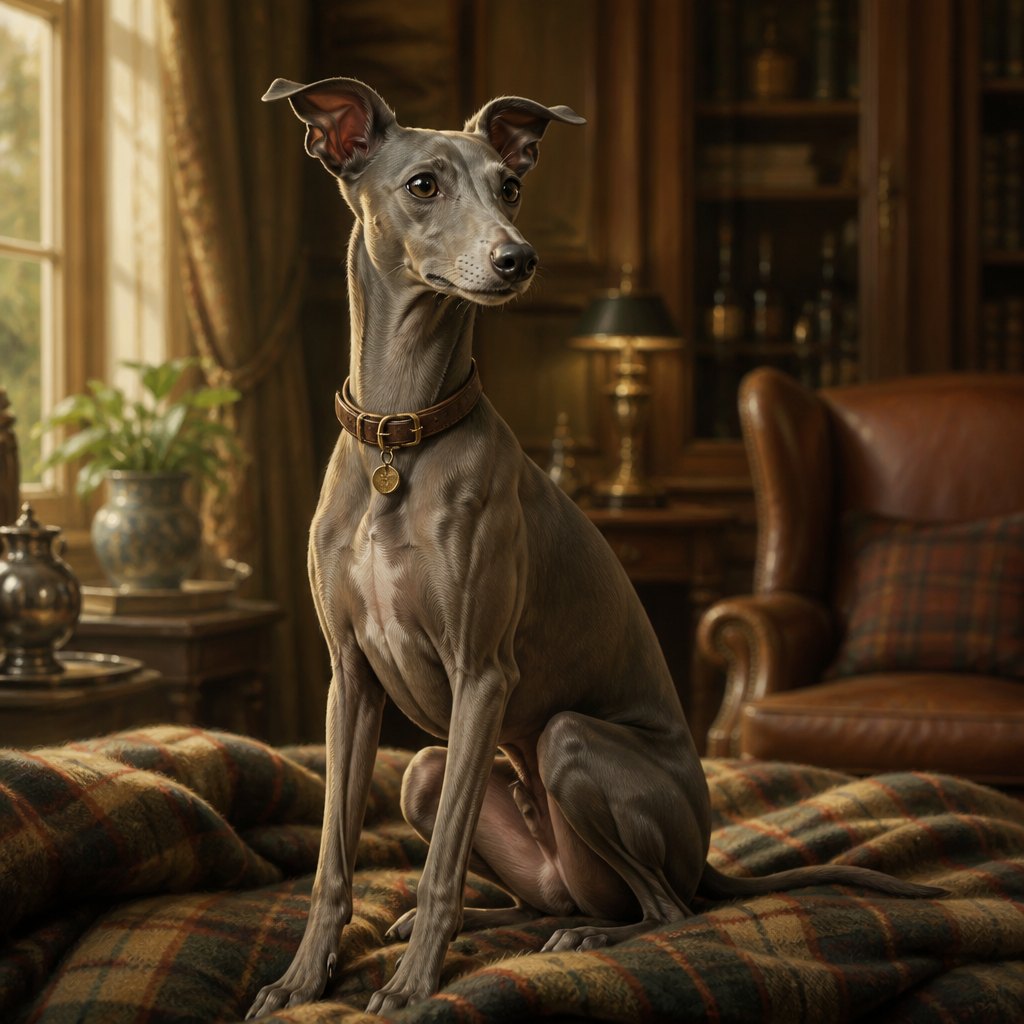 AI-generated
Paint your own
Hang your own pet portrait in the salon
This example was generated from a prompt like: “A sleek gray whippet sits alert on a tartan blanket in a sunlit study, ears perked, a leather collar with a small brass tag catching the light, warm wood-paneled background softly blurred behind it.”
Open the Classic Pet Portrait Art Style generator →The genre today
Commissioned pet portraits remain a small but steady market, now often worked from a photograph rather than a live sitting, and sold through independent artists and online platforms as a sentimental keepsake rather than a status symbol. Veterinary and show-dog photography carries on the genre's demand for individual likeness and personality. AI image tools have made stylized pet portraits, an owner's dog rendered as royalty, or in a favorite art style, an easy, popular novelty, extending a centuries-old impulse: giving a beloved animal the same dignity once reserved for wealthy humans.
Compose your own
Study the individual animal closely, the particular set of the ears, coat pattern, or eye color, so the portrait reads as this specific pet rather than a generic breed type. Aim for a direct or three-quarter gaze with ears alert, since a sleepy or turned-away pose loses personality fast. Keep the background simple or tie it to the animal's world: a garden, a favorite blanket, a kennel. Include one small prop, a collar, a toy, a leash, that signals ownership and care. Lighting from one side will bring out coat texture and eye shine, which do most of the work in making an animal portrait feel alive rather than flat.
Frequently asked questions
What is a pet portrait?
A pet portrait is a picture devoted to an individual animal, usually a dog, cat, or horse, painted with the same likeness, personality, and status normally given to a human sitter, rather than as a generic animal.
Which animals were painted most often in traditional pet portraits?
Dogs and horses dominated the genre historically, prized as hunting companions, status symbols, and valuable sporting animals; cats and other pets became more common subjects later, especially once middle-class households began commissioning portraits.
How is a pet portrait different from an animal shown in another painting?
In a pet portrait, the animal itself is the named, individual subject. In other genres, animals often appear as symbols or props, a dog for loyalty, a horse for status, within a larger scene about something else.
Do pet portraits need a photograph reference today?
Most contemporary pet portraits are worked from photographs rather than a live sitting, since animals rarely hold a pose. Historical painters instead relied on careful observation, sketches, and a trained eye for anatomy.