 Art
Art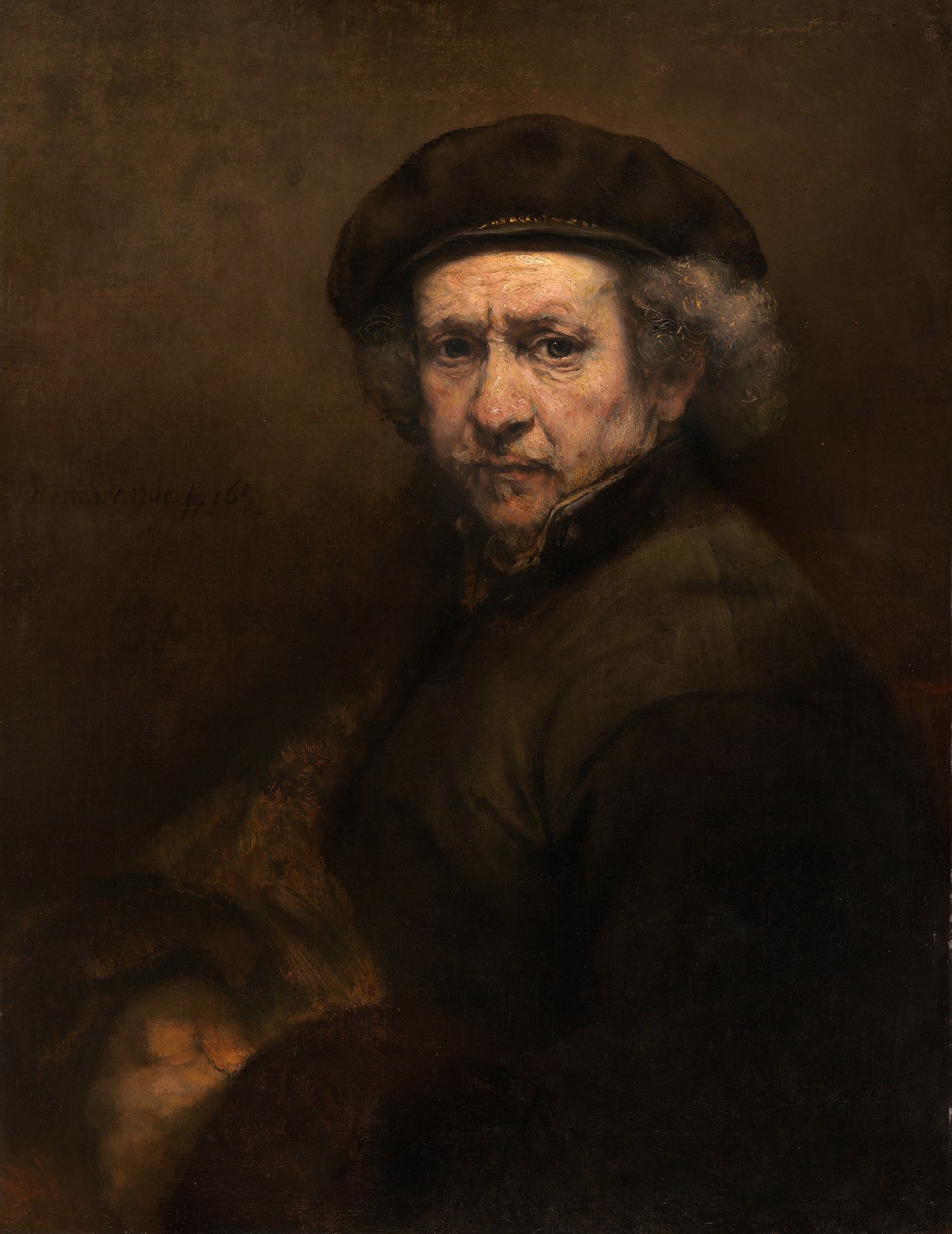
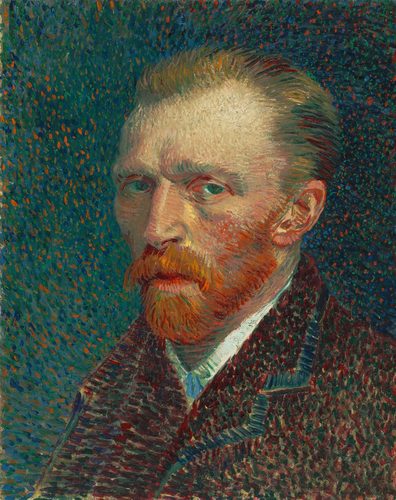
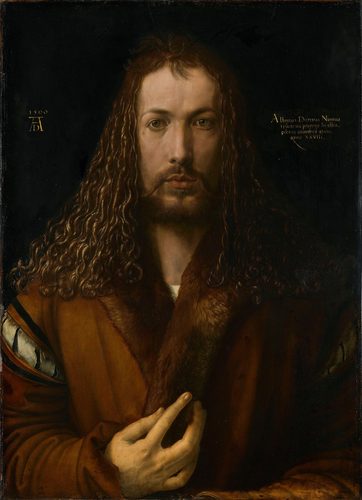
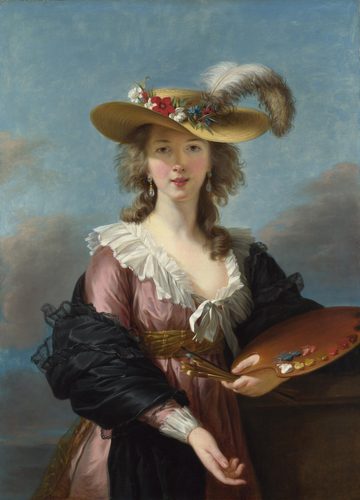
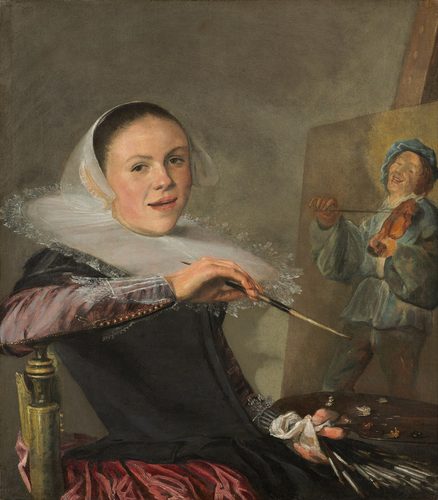
A self-portrait is a work in which artists paint, draw, or photograph their own likeness, typically working from a mirror or, in the modern era, a camera. The genre sits at the crossroads of documentation and confession: it records a face, but it also records a working method, a mood, and sometimes a private argument the artist is having with themselves. Painters have used self-portraits to advertise technical skill to prospective patrons, to experiment without a paying client looking over their shoulder, and to track their own aging in ways no commissioned portrait would allow. Because the artist controls every choice—costume, lighting, expression, setting—a self-portrait can also be a piece of theater, with the maker trying on an identity: saint, soldier, laborer, aristocrat. Unlike a portrait made for someone else, there is no client to flatter, which is why the genre has produced some of art history's most unguarded and psychologically probing images.
The rules of the genre
Mirror reversal
Because artists work from their own reflection, painted self-portraits often reverse handedness—right-handed painters can appear to hold the brush in their left hand, or paint themselves left-handed, a quiet clue to how the image was actually made.
Tools of the trade
Palette, brushes, a maulstick, or an easel corner frequently appear in frame, turning the picture into a statement of profession as much as a likeness—proof the sitter is also the maker, and that the two roles cannot be separated.
Direct, unflattering gaze
The sitter looks straight out at the viewer, meeting the eye of anyone who looks back, since the artist is both the one observing and the one observed. Wrinkles, tired eyes, and awkward angles survive because there is no client to please.
Plain, shadowed setting
Backgrounds tend toward bare walls or deep shadow rather than grand interiors, keeping every bit of attention on the face and hands. When a setting does appear, it usually signals the workshop rather than a drawing room.
Costume as role-play
Free from a paying sitter's demands, artists dress themselves as saints, soldiers, philosophers, or exotic travelers, testing an identity rather than recording one. The costume is a thought experiment: what would I look like as someone else entirely?
Serial self-scrutiny
Many artists return to their own face again and again across decades, producing an accidental diary of aging, fashion, and mood swings that no single portrait could capture. Viewed as a set, these works chart a whole life.
Symbol decoder
How to read a self-portrait
- Mirror
- → The literal tool of the genre; sometimes shown within the composition itself, reminding the viewer that this face was studied secondhand, through glass.
- Palette and brush
- → Signals profession over vanity—this is a working artist's self-record, not a society portrait commissioned for someone else's wall.
- Direct eye contact
- → Marks the picture as self-scrutiny rather than flattery; the artist studied their own gaze in a mirror and refused to soften it.
- Plain dark ground
- → Strips away status markers so the face alone carries the entire meaning of the picture.
- Borrowed costume
- → A role tried on rather than a rank held; read it as fantasy or allegory, not biography.
- Aging across a series
- → When several self-portraits by one hand survive, compare them as a private timeline of mortality and changing fortune.
The story
Self-portraiture predates any formal genre label—a stonemason might slip his own face into a crowd scene—but it became a deliberate practice once mirrors of reasonable clarity became affordable in the fifteenth century. Northern European painters were early adopters, using self-portraits to prove technical mastery and market their workshops. The genre never sat at the top of the academic hierarchy, which prized history painting, but it functioned as a private laboratory where painters could experiment freely and a public calling card that advertised skill without a patron's interference. Rembrandt produced dozens across his lifetime, turning the practice into an unprecedented visual autobiography. Women artists, often barred from formal training and life-drawing classes, used self-portraits to assert professional legitimacy when few other avenues existed. By the nineteenth century, psychological intensity became the point, with artists using their own faces to explore anxiety, illness, and identity rather than simple likeness.
Masterpieces of the genre
| Work | Artist | Date | Why it matters |
|---|---|---|---|
| Self-Portrait at Twenty-Eight | Albrecht Dürer | 1500 | A frontal, Christ-like pose that startled contemporaries and openly argued for painting as a noble, even sacred, calling. |
| Self-Portrait with Two Circles | Rembrandt | c. 1665–1669 | A late, weathered self-image thought to include two mysterious circles referencing the artist's mastery of his craft. |
| Self-Portrait in a Straw Hat | Élisabeth Vigée Le Brun | 1782 | A confident, smiling self-image that broke portrait convention and doubled as an advertisement for the artist's own skill. |
| Self-Portrait as the Allegory of Painting | Artemisia Gentileschi | c. 1638–1639 | The artist paints herself mid-brushstroke as the personification of Painting itself, a role no male artist could claim. |
| Self-Portrait with Bandaged Ear | Vincent van Gogh | 1889 | A raw, unsentimental record made in the aftermath of crisis, among the most recognized self-portraits in modern art. |
| Self-Portrait with Thorn Necklace and Hummingbird | Frida Kahlo | 1940 | Symbol-laden and unflinching, it turns physical and emotional pain into a stylized, almost iconic self-image. |
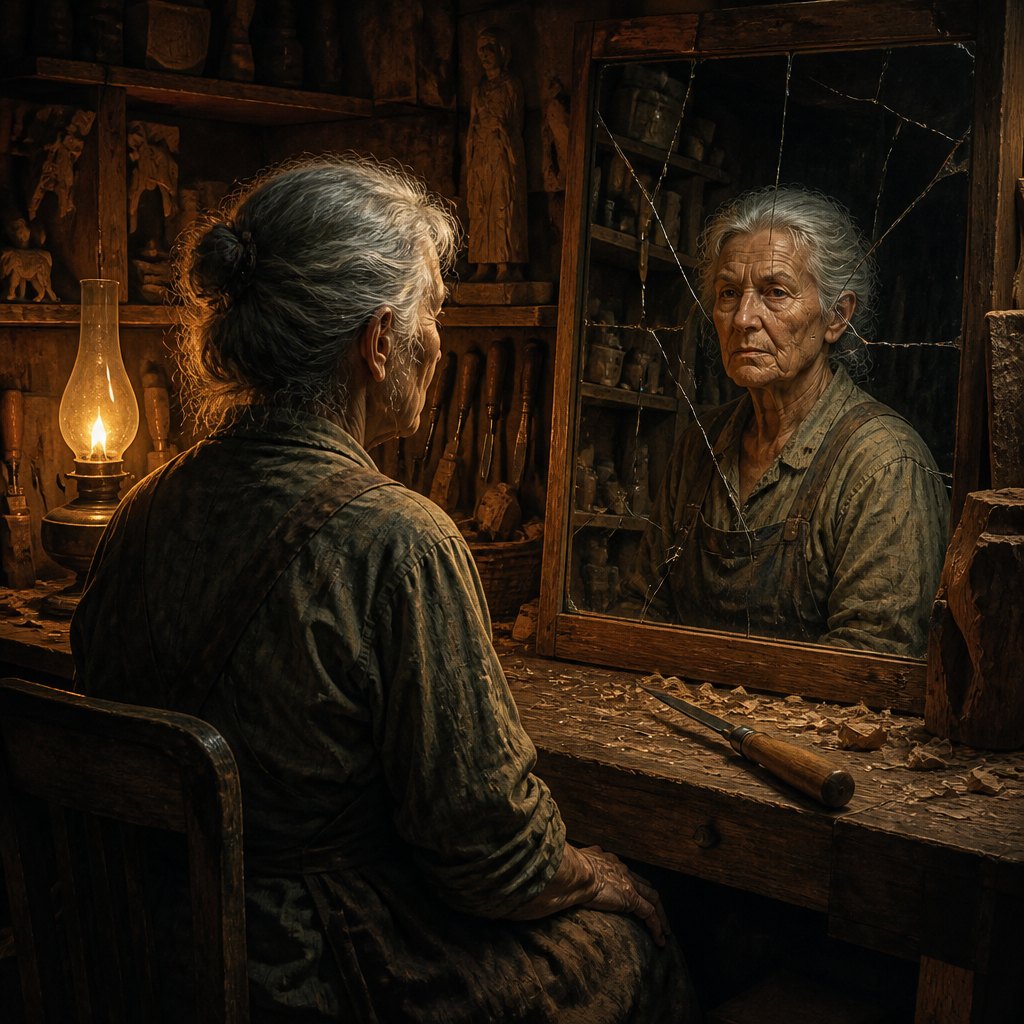 AI-generated
Paint your own
Hang your own self-portrait in the salon
This example was generated from a prompt like: “An aging woodworker sits before a cracked mirror in a dim workshop, wood shavings on the floor, a chisel resting on the table beside her, gaze steady and unflinching, warm lamplight carving deep shadows across her weathered face.”
Open the Self-Portrait Painting Style generator →The genre today
The self-portrait's descendant is the selfie: a mirror or front-facing camera, direct gaze, complete control over lighting and expression, produced and shared by the millions daily. Photographers, filmmakers, and video artists all use self-portraiture to explore identity, aging, and persona. AI image generators now let anyone build a stylized self-image from a handful of reference photos, collapsing the centuries-old tradition of studying one's own face into a few seconds of prompting—though the core impulse, controlling how the world sees you, hasn't changed at all.
Compose your own
Set up a mirror or camera at eye level and light your face from one side to model the features—flat, even lighting flattens a self-portrait fast. Include one object that identifies your work or role: a tool, an instrument, a stack of books, a uniform. Look directly into the lens or glass rather than off to the side; the confrontation is what makes the genre work. Keep the background simple—a plain wall or soft shadow—so nothing competes with the face. Consider costume: a borrowed hat, a dramatic collar, or period dress can turn a straightforward likeness into a small piece of theater. If you make more than one, save them all; the real subject of the genre is change over time.
Frequently asked questions
What is a self-portrait?
A self-portrait is a picture in which an artist depicts their own likeness, usually working from a mirror or camera. It can be a straightforward record of appearance or a more staged exploration of identity, mood, and profession, and painters have used the form for over five centuries.
Why do self-portraits often show artists looking directly at the viewer?
Because the artist is both the person looking and the person being looked at. Painting from a mirror naturally produces a straight-on gaze, and many artists kept that direct stare even once photography made other angles easy to achieve.
Are self-portraits always accurate likenesses?
Not necessarily. Artists have used self-portraits to flatter themselves, age themselves, dress as someone else entirely, or exaggerate an emotion. Accuracy was never the only goal—self-knowledge, advertisement, and experimentation mattered just as much as resemblance.
What's the difference between a self-portrait and a selfie?
Mostly tools and speed: a self-portrait is typically a considered, worked drawing or painting, while a selfie is an instant photograph. Both share the same core setup—mirror or lens, direct gaze, full control over one's own image.