 Art
Art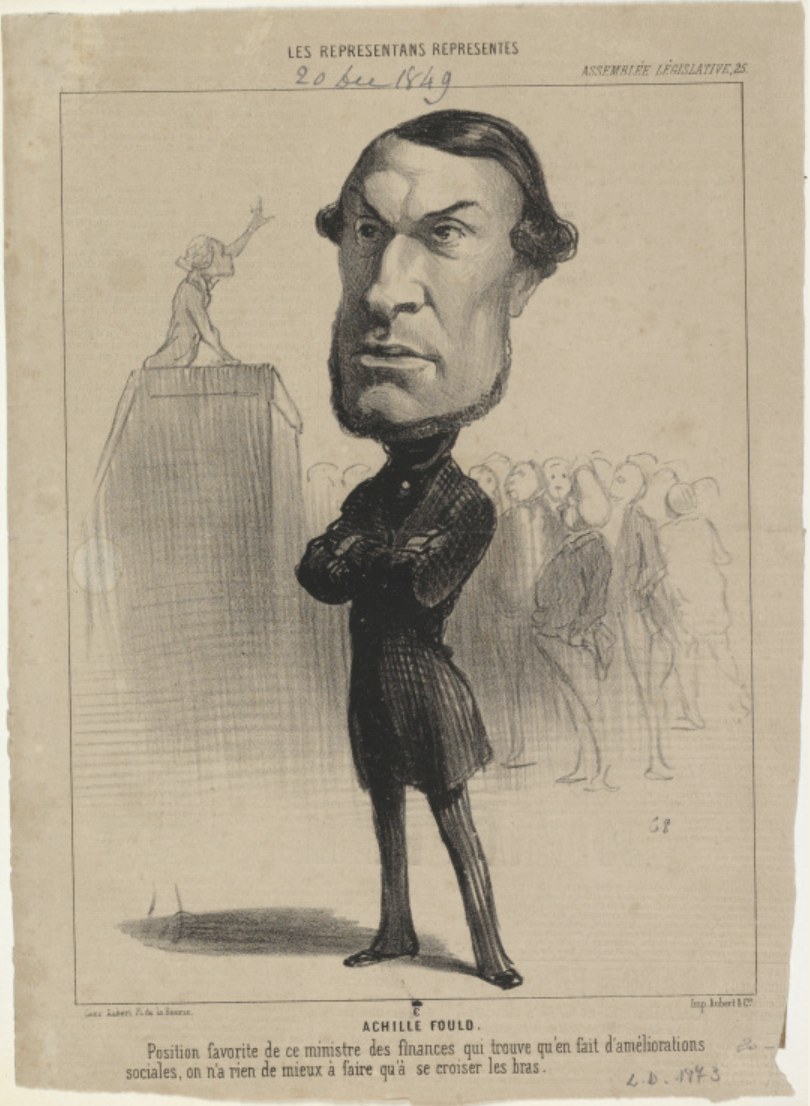
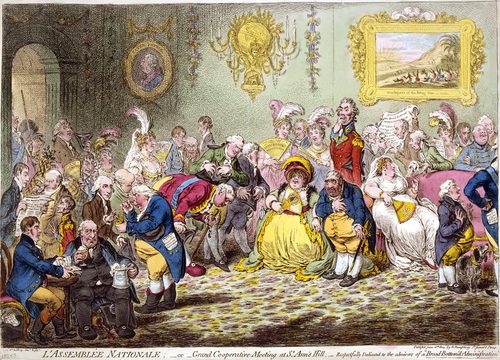
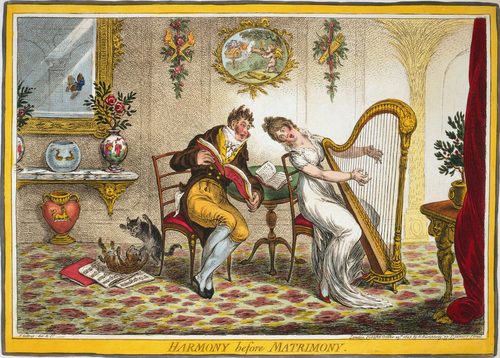
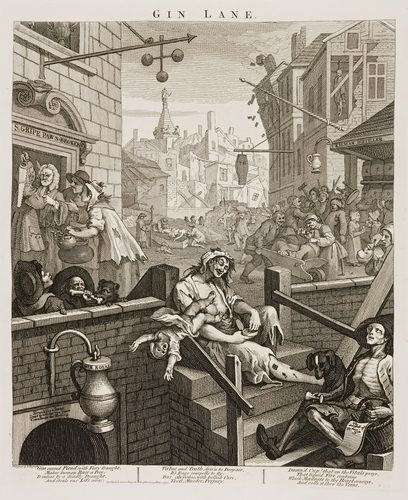
A caricature is a portrait that deliberately exaggerates a subject's distinctive physical features, expressions, or behavior for comic, satirical, or critical effect, trading accuracy for a sharper kind of truth. Where a formal portrait flatters, a caricature pokes: an oversized nose, a jutting chin, a puffed-up chest become shorthand for vanity, stupidity, or corruption, instantly readable even to a viewer who has never seen the actual sitter. The genre grew out of the simple observation that likeness and exaggeration aren't opposites, a good caricaturist studies a face as closely as any portraitist, then pushes the one or two features that make it recognizable past the point of realism into commentary. Caricature has always lived close to power, aimed most often at politicians, celebrities, and public figures, published in prints and later newspapers and magazines where it could reach a mass audience instantly. Unlike gentler comic art, caricature carries real teeth: it has ended careers, provoked lawsuits, and occasionally gotten its practitioners arrested for the audacity of drawing the powerful as ridiculous.
The rules of the genre
Exaggerated feature selection
The artist picks one or two distinctive physical traits, a large nose, heavy jowls, a receding chin, and pushes them well past reality, while leaving the rest of the face recognizable enough to confirm the identity.
Body as commentary
Posture and physique carry meaning: a swollen belly for greed, a shrunken frame for weakness, an inflated chest for vanity, turning the whole body into a moral or political statement rather than just the face.
Captions and speech
Printed captions, speech bubbles, or labels spell out the joke or accusation directly, since caricature usually needs to be read quickly by a broad audience rather than decoded slowly like a private allegory.
Animal or object substitution
Politicians and public figures are sometimes drawn as animals, vegetables, or objects whose associations do the insulting for the artist, a fox for cunning, a pig for gluttony, a puppet for lack of independence.
Rapid, loose linework
Caricature favors quick, confident pen or pencil strokes over polished finish, since the genre was built from the start for fast, cheap reproduction in newspapers and broadsides rather than gallery display.
Crowd and setting as chorus
Background figures often react visibly to the main subject, laughing, recoiling, or applauding, guiding the viewer's own reaction and reinforcing whatever exact joke or accusation the caricature is ultimately making.
Symbol decoder
How to read a caricature
- Oversized nose or chin
- → The most common exaggerated feature, used simply to guarantee instant recognizability rather than carrying a fixed symbolic meaning.
- Animal substitution
- → Casting a figure as a fox, pig, or vulture borrows that animal's traits, cunning, greed, predation, as an instant insult.
- Inflated body
- → A swollen belly or puffed chest signals gluttony, vanity, or excessive self-importance.
- Puppet strings
- → Shows a figure being controlled by an unseen hand, accusing them of lacking real independent power.
- Speech bubble or label
- → Spells out the joke or accusation directly so the point can't be missed by a fast-moving audience.
- Crowd reaction
- → Background figures laughing or recoiling cue the viewer on how to feel about the main subject.
The story
Caricature emerged as a distinct practice in seventeenth-century Italy, where artists sketched exaggerated likenesses of friends and patrons as a private, witty parlor game rather than public satire. The form turned political and public in eighteenth-century Britain, where printmakers used cheap, widely circulated engravings to mock politicians, monarchs, and social climbers, reaching an audience far larger than any painting could. Because prints were inexpensive and fast to produce, caricature became one of the first genuinely mass-media art forms, feeding directly into newspaper and magazine illustration once those industries matured in the nineteenth century. Academic hierarchies dismissed caricature entirely as beneath serious art, a judgment that mattered little since the genre's power came from circulation and immediacy rather than gallery prestige. Caricaturists have periodically faced censorship, lawsuits, and worse for targeting the powerful, a risk that has followed the form from its earliest political prints through to editorial cartooning today.
Masterpieces of the genre
| Work | Artist | Date | Why it matters |
|---|---|---|---|
| Five Grotesque Heads | Leonardo da Vinci | c. 1490 | Exaggerated, deformed faces studied from life, often cited as an early ancestor of caricature even though the term itself didn't yet exist. |
| A Rake's Progress | William Hogarth | 1732–1735 | A moralizing print series following a young heir's ruin, blending caricature-sharp characterization with narrative satire that shaped the genre for a century. |
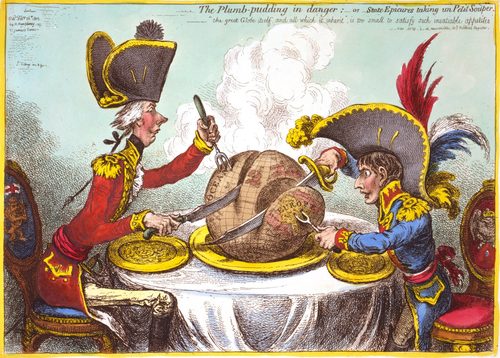
| The Plumb-pudding in Danger | James Gillray | 1805 | Two leaders carve up a globe-shaped pudding between them, among the most reproduced political caricatures in history. |
| Gargantua | Honoré Daumier | 1831 | A king reimagined as a bloated giant devouring the nation's wealth, a lithograph so pointed it landed Daumier in prison. |
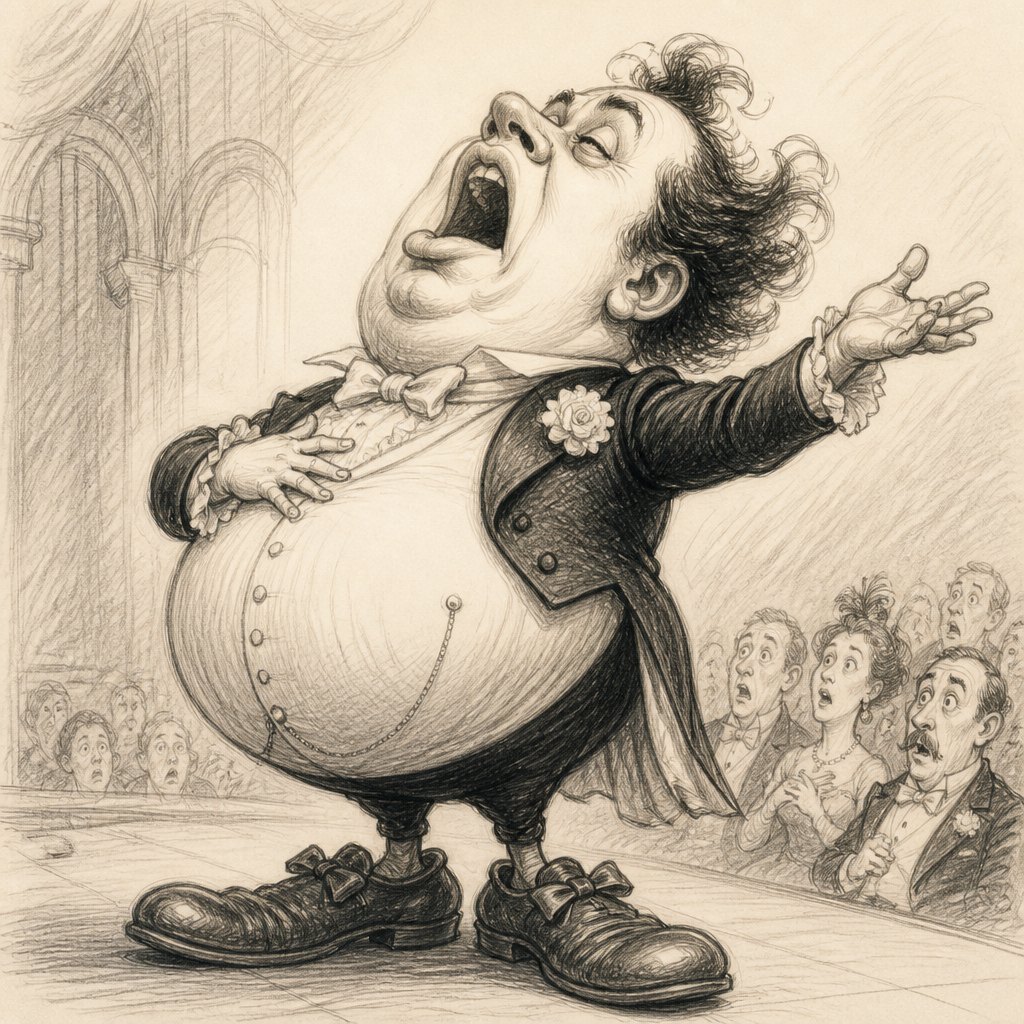 AI-generated
Paint your own
Hang your own caricature in the salon
This example was generated from a prompt like: “A pompous opera singer caricature: comically oversized head thrown back mid-note, chest puffed like a balloon, tiny feet in oversized shoes, exaggerated pencil linework, a small stunned audience sketched reacting in the background.”
Open the Caricature Art Style generator →The genre today
Caricature lives on most visibly in editorial cartooning, where artists still exaggerate politicians' features into instantly readable shorthand for newspapers and websites. Celebrity caricature remains a boardwalk and theme-park staple, and animated sitcoms borrow the same logic, one exaggerated trait standing in for a whole personality. Meme culture and AI image generators have extended the tradition further, letting anyone distort a face for comic effect in seconds, though the sharpest political caricature still requires the close observation and cultural knowledge no algorithm can fully substitute.
Compose your own
Study the subject's real proportions first, then pick just one or two distinctive features, nose, chin, eyebrows, hairline, and push them noticeably past reality while keeping everything else recognizable. Let posture and body shape carry meaning too: an inflated chest for vanity, a hunched frame for weakness. Keep linework quick and confident rather than tightly rendered, since caricature reads best as a fast, punchy sketch rather than a polished finish. If the piece needs a clear point, add a simple caption, label, or prop that spells out the joke without requiring the viewer to decode it. Avoid cruelty aimed at appearance alone; the sharpest caricatures target behavior, power, or hypocrisy, not just a face.
Frequently asked questions
What is a caricature?
A caricature is a portrait that deliberately exaggerates a subject's distinctive features or behavior for comic or satirical effect, trading strict accuracy for a sharper, instantly readable kind of likeness.
What is the difference between caricature and satire?
Caricature is a visual technique, exaggerated likeness, while satire is a broader mode of criticism using humor or irony. Caricature is one of satire's most common tools, especially in political cartooning.
Why do caricatures often draw people as animals or objects?
Because an animal or object carries instant associations, a fox for cunning, a pig for greed, that let the artist deliver an insult or a joke faster than exaggerated human features alone could manage.
Is caricature considered fine art?
Historically, academic hierarchies dismissed caricature as beneath serious painting, but its speed, wit, and mass reach through prints and newspapers gave it enormous cultural influence regardless of gallery status.