 Art
Art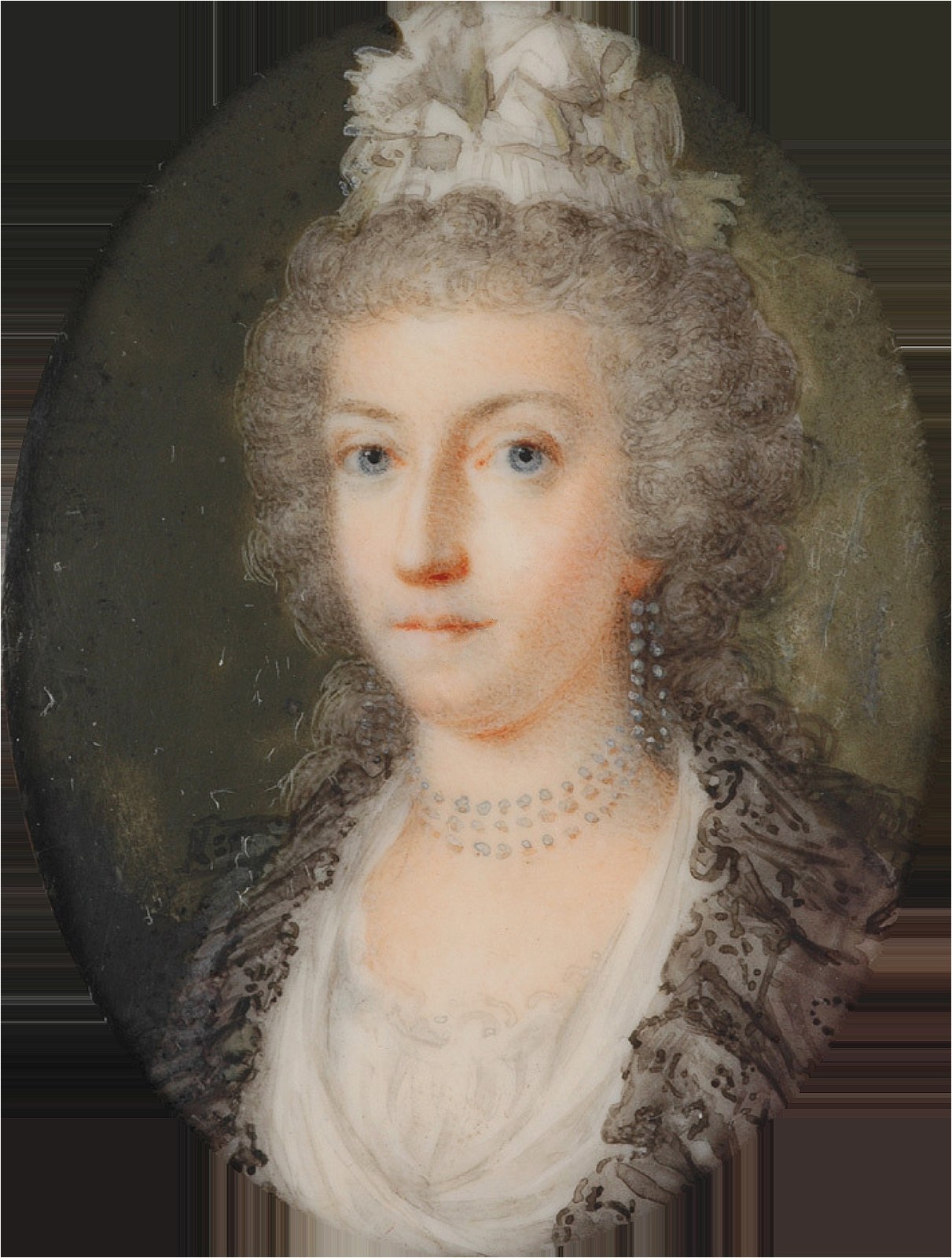
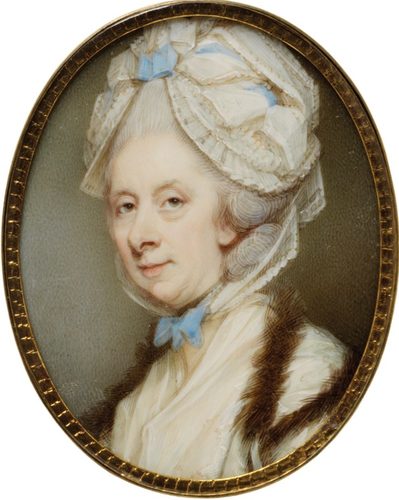
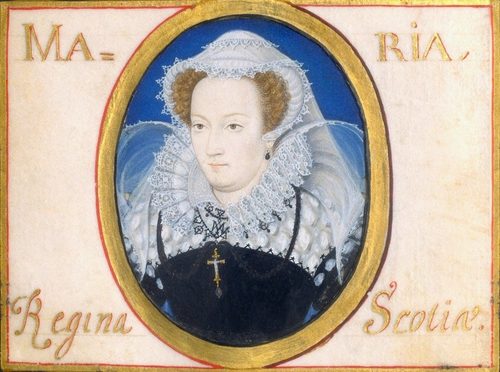
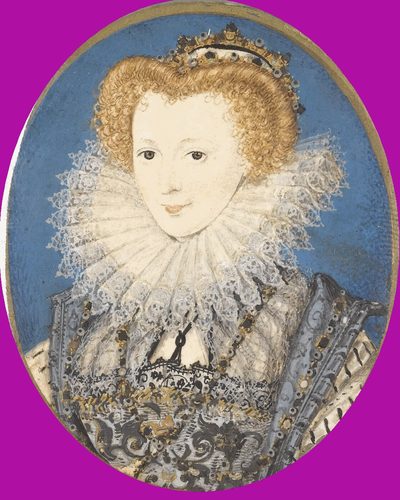
A portrait miniature is a small-scale painted likeness, often just a few inches across, made to be held in the hand, worn as jewelry, or carried in a locket rather than displayed on a wall. Painted in watercolor on vellum, ivory, or enamel with extraordinarily fine brushwork, miniatures served an intensely personal function: a keepsake of a spouse, lover, or absent family member, small enough to travel, hide, or exchange in secret. Because they were portable and private, miniatures also carried romantic and political weight, lovers exchanged them as tokens, diplomats gave them as gifts of favor, and rulers distributed miniatures of themselves to loyal courtiers as a form of patronage. The format demanded a different discipline than large-scale portraiture: painters worked under magnification with brushes of a single hair to capture a convincing likeness at a scale where one stray dot could ruin an eye. The genre flourished for roughly three centuries before photography offered a faster, cheaper way to carry a loved one's face.
The rules of the genre
Palm-sized scale
Most miniatures measure only one to three inches across, small enough to be worn in a locket, ring, or bracelet, or slipped into a pocket; intimacy of scale is the entire point of the format.
Oval or circular format
Miniatures are usually painted within an oval, circle, or occasionally a rectangle, a shape dictated by the jewelry setting or case that would eventually house the finished portrait once it was complete and ready to be worn.
Stippled, hairline brushwork
Because the scale leaves no room for loose strokes, painters built up faces from tiny dots and hatched lines under magnification, a technique closer to engraving than to conventional painting.
Plain or sky-blue backdrop
Backgrounds are kept simple, often a flat wash of blue, gray, or clouded sky, so the tiny scale isn't wasted on setting detail that would be illegible at that size.
Inscribed reverse
The back of the case or locket frequently carries a lock of hair, a monogram, or a painted inscription, turning the object into a full memorial or love token rather than just an image.
Support on ivory or vellum
Painters worked in watercolor or gouache on thin sheets of ivory, vellum, or card rather than canvas, a support fine enough to hold minute detail without absorbing too much pigment.
Symbol decoder
How to read a portrait miniature
- Locket or case
- → Turns the image into a wearable, private object rather than public display; closeness to the body is part of the message.
- Woven hair
- → A lock of the sitter's hair set into the reverse of the case, a physical relic paired with the painted likeness.
- Flaming heart or knot
- → Common on the reverse of lovers' miniatures, signaling romantic devotion or a binding promise.
- Eye alone
- → A single painted eye, detached from the rest of the face, exchanged as a discreet, anonymous token between secret lovers.
- Cloud-wisped blue ground
- → A generic sky backdrop with no real location, keeping focus entirely on the face rather than any setting.
- Monogram or motto
- → Initials or a short phrase inscribed on the case, personalizing an otherwise generic small oval into a specific gift.
The story
Portrait miniatures grew out of the art of manuscript illumination, and the earliest examples appeared at European courts in the sixteenth century, where they quickly became instruments of diplomacy and courtship as much as art objects. Rulers exchanged miniatures of themselves to seal alliances and arrange marriages sight unseen, while lovers commissioned them as private, portable keepsakes that could be hidden inside a locket or a sleeve. The format reached a technical peak in the seventeenth and eighteenth centuries, when specialist miniaturists developed a market entirely separate from large-scale portrait painters, prized for a delicacy of touch that easel painting didn't require. Academic hierarchies barely acknowledged miniatures as painting proper, treating them closer to a craft, yet the skill required to build a convincing face from stippled dots under magnification was considerable. The daguerreotype and early photography effectively ended the commercial miniature trade within a generation, offering a faster, cheaper likeness to carry.
Masterpieces of the genre
| Work | Artist | Date | Why it matters |
|---|---|---|---|
| Young Man Among Roses | Nicholas Hilliard | c. 1585–1595 | An Elizabethan courtier posed among briar roses, one of the most celebrated English portrait miniatures and a showcase of Hilliard's linear delicacy. |
| Self-Portrait | Nicholas Hilliard | 1577 | The leading miniaturist of the Elizabethan court paints himself at a scale meant to fit in the palm, demonstrating just how much detail the format could hold. |
| A Young Man Seated Under a Tree | Isaac Oliver | c. 1590–1595 | A melancholy courtier reclines beneath foliage, blending portrait miniature with the era's taste for symbolic, riddling imagery. |
| Lover's Eye Miniature | Unknown | late 18th century | A single painted eye, detached from the rest of the face, exchanged as a discreet and fashionable token between secret sweethearts. |
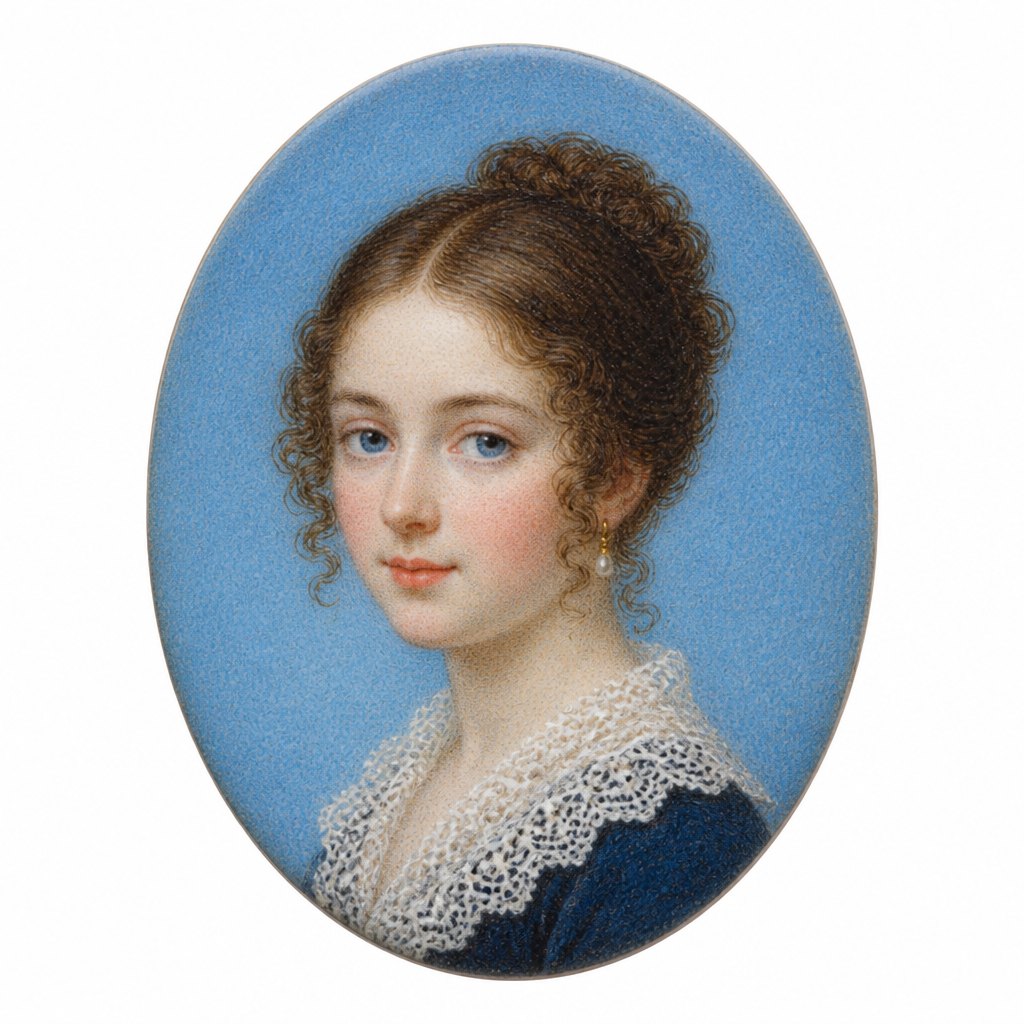 AI-generated
Paint your own
Hang your own portrait miniature in the salon
This example was generated from a prompt like: “An oval miniature portrait the size of a coin shows a young merchant's wife in a lace collar against a plain sky-blue ground, painted in delicate stippled brushwork, tiny enough to be set inside a locket.”
Open the Portrait Miniature Art Style generator →The genre today
The portrait miniature's function, a small, carried, deeply personal image of a loved one, now lives in the wallet photo, the phone lock screen, and the locket pendant still sold today, often holding a printed photograph instead of a painting. Jewelry designers occasionally revive hand-painted miniatures as a luxury commission. The genre's real legacy, though, is conceptual: it proved that a portrait's emotional power doesn't depend on scale, and that an image meant to be held close carries a different weight than one meant to be seen from across a room.
Compose your own
Work small and plan for a locket, pendant, or card-sized format rather than a wall-sized composition; an oval or circle around two to three inches is traditional. Simplify the background to a flat wash of color or soft sky so detail budget goes entirely into the face. Focus extreme precision on the eyes and mouth, since at this scale those two features carry almost the entire likeness. Choose a plain, high-contrast collar or costume edge to frame the face without competing for attention. If the piece is meant as a keepsake, consider a companion element on the reverse, a monogram, a date, or a woven pattern, that personalizes the object beyond the image itself.
Frequently asked questions
What is a portrait miniature?
A portrait miniature is a very small painted likeness, typically one to three inches across, made to be worn as jewelry or carried in a locket rather than hung on a wall.
What materials were portrait miniatures painted on?
Miniaturists typically used watercolor or gouache on thin ivory, vellum, or card, materials fine enough to hold minute detail without absorbing too much pigment at such a small scale.
Why were portrait miniatures so popular before photography?
They were the only portable, private way to carry someone's likeness, a spouse, lover, or absent family member, small enough to hide in a pocket or wear against the skin.
What is a lover's eye miniature?
A lover's eye is a portrait miniature showing only a single eye, detached from the rest of the face, exchanged anonymously between sweethearts as a discreet, fashionable keepsake in the late eighteenth century.