 Art
Art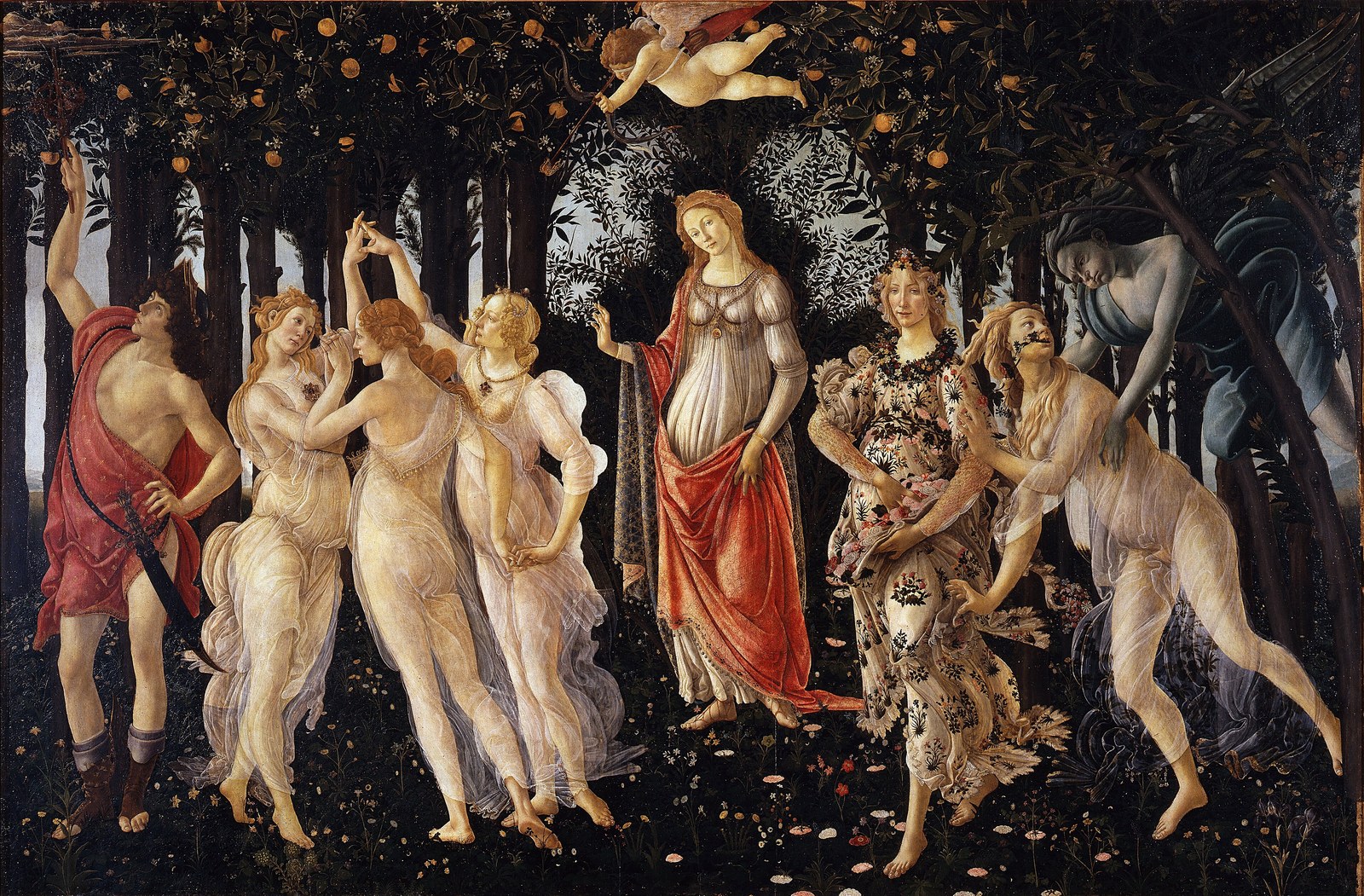
![Venus, Cupid, Folly and Time [Allegory of the Triumph of Venus] — Allegory](https://media.artgenres.com/encyclopedia/allegory/commons-1-thumb.jpg)
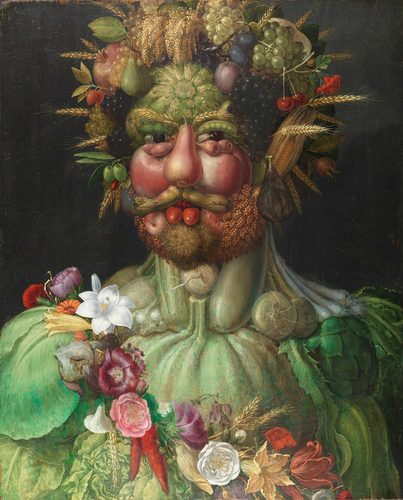
An allegory is a painting in which figures, objects, and actions stand for something beyond themselves—usually an abstract idea like Justice, Fortune, Time, or Peace, personified as a human figure with identifying attributes. Unlike myth or history painting, allegory doesn't depict a specific story so much as construct a visual argument, meant to be decoded piece by piece rather than simply viewed. Renaissance and Baroque patrons loved the genre because it let them flatter a ruler's virtues, moralize about vice, or comment on politics without naming names directly—a king could be shown triumphing over Envy or Discord rather than a real rival. Allegory drew heavily on classical personification and later on emblem books, illustrated manuals pairing images with mottoes that taught viewers a shared symbolic vocabulary. The genre rewards close looking: every attribute a figure carries—scales, an hourglass, a mirror—is a clue, and the whole composition typically resolves into a single legible moral.
The rules of the genre
Personified Abstractions
Ideas become people: a blindfolded woman with scales is Justice, a winged old man with an hourglass is Time, a woman with a mirror is Vanity or Truth depending on context.
Identifying Attributes
Every personification carries a fixed prop that names it instantly without a label—scales for Justice, a cornucopia for Abundance, a snake biting its own tail for Eternity—building a readable, repeatable symbolic code.
Triumph and Trampling
A virtue often stands or rides triumphantly over a defeated vice lying underfoot, physically enacting the moral for anyone who studies the scene: Truth unveiled treading on Deceit, or Time crushing Envy beneath its heel.
Layered Composition
Multiple figures and symbolic objects crowd a single scene, arranged so the eye reads them left to right in sequence like a sentence, building steadily toward one clear moral conclusion rather than a single dramatic instant.
Emblem Book Roots
Many attributes trace to widely printed emblem books pairing a symbol, an image, and a short Latin motto, giving artists and educated viewers a shared visual reference so meanings stayed consistent across generations and countries.
Concealed Political Comment
Rulers and courts are praised or gently criticized indirectly through mythological or personified stand-ins, letting court painters flatter power or needle a rival without ever naming a specific living person outright.
Symbol decoder
How to read a allegory
- Scales
- → Justice weighing right and wrong, or Fortune's balance of luck between winners and losers.
- Hourglass
- → Time, and the certainty that it runs out—a common companion to Death or Vanitas figures.
- Snake eating its tail
- → Eternity, an endless cycle with no beginning or end.
- Blindfold
- → Impartiality when worn by Justice, or foolishness when worn by Fortune or Cupid.
- Mirror
- → Vanity when admired by a figure, or Truth and Prudence when used to see clearly.
- Broken column
- → Fortitude standing firm, or ruin and mortality depending on context.
- Cornucopia
- → Abundance, plenty, and the rewards of good governance or virtue.
- Wheel
- → Fortune's wheel, turning the powerful low and the humble high without warning.
The story
Allegory descends from classical personification—the Greeks and Romans already gave Victory wings and Justice her scales—and from medieval moral literature that taught virtue and vice through symbolic characters. The genre flourished in the Renaissance alongside a revival of classical learning, then expanded in the Baroque period, when court painters used allegory to glorify monarchs through elaborate ceiling cycles showing rulers received by personified Virtue, Peace, or Abundance. Printed emblem books, pairing image, motto, and verse, standardized much of the symbolic vocabulary painters relied on, letting educated viewers decode a canvas the way they might read a text. Academic hierarchies ranked allegory near history painting, since both demanded complex multi-figure invention. As shared classical education declined, allegory's coded language became harder for general audiences to read, and the genre gradually gave way to more direct narrative and, eventually, to abstraction, which pursues meaning without personification at all.
Masterpieces of the genre
| Work | Artist | Date | Why it matters |
|---|---|---|---|
| An Allegory with Venus and Cupid | Bronzino | c. 1545 | A dense, unsettling puzzle of personified Folly, Jealousy, and Deceit around Venus and Cupid. |
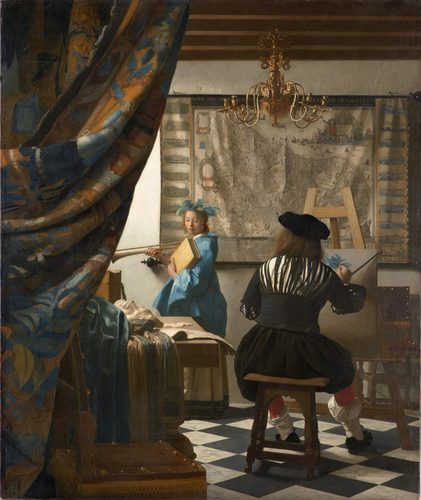
| Allegory of the Art of Painting | Johannes Vermeer | c. 1666–68 | A painter at his easel with Clio, muse of history, personifying painting's noble status. |
| Allegory of Good and Bad Government | Ambrogio Lorenzetti | 1338–39 | A fresco cycle personifying civic virtues and their consequences for a whole city. |
| Marie de' Medici Cycle | Peter Paul Rubens | 1622–25 | Twenty-four canvases narrating a queen's life through mythological and allegorical stand-ins. |
| Time Orders Old Age to Destroy Beauty | Pompeo Batoni | 1746 | Time and Old Age physically restrain a personified Beauty, a moral staged as struggle. |
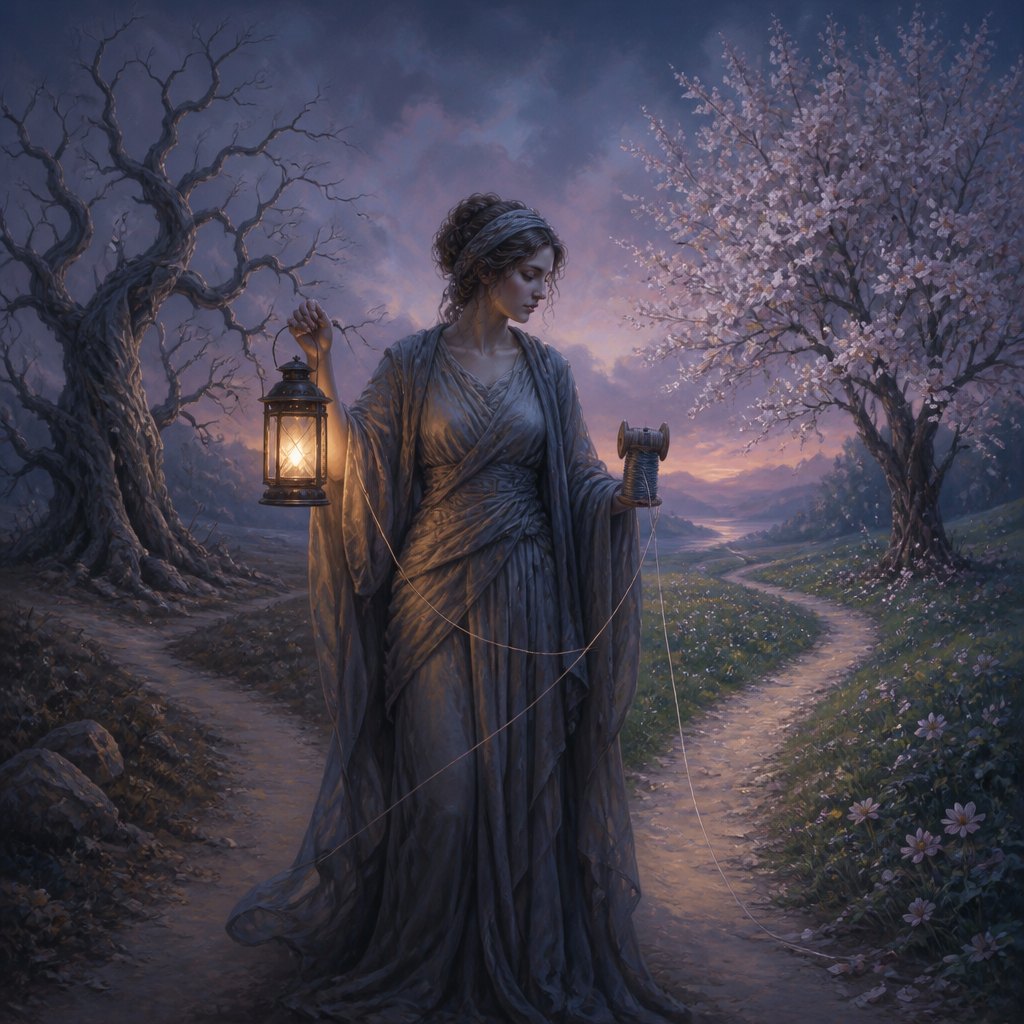 AI-generated
Paint your own
Hang your own allegory in the salon
This example was generated from a prompt like: “An imagined personification of Memory as a robed woman holding a lantern and a spool of unraveling thread, standing at a crossroads between a withered tree and a blooming one, soft twilight lighting.”
Open the Allegorical Painting Art Style generator →The genre today
Allegory's habit of personifying abstractions survives in editorial cartoons, where Father Time, or a scale-holding figure of Justice still stand in for larger ideas. Video games and fantasy art borrow the same trick, giving playable form to concepts like death or fate. AI image generation handles allegory unevenly—it renders individual symbols well but struggles with the layered, multi-figure arguments that made Baroque allegory legible, since coherent symbolic narrative across a crowded scene is harder to prompt than a single striking image.
Compose your own
Start with an abstract idea—Ambition, Memory, Progress—and invent a figure to embody it, then give that figure one or two fixed attributes so it reads clearly: a mirror for vanity, a wheel for fortune, wings for victory or speed. Stage a small drama between two or three personifications, one triumphing over or confronting another, rather than a single static portrait. Arrange the composition so the eye moves from one symbolic figure to the next in a legible sequence. Use lighting and color to separate virtue from vice—brightness and gold for the positive figure, shadow and muted tone for its opposite—and keep the setting simple so the symbols carry the meaning.
Frequently asked questions
What is an allegory in art?
An allegorical painting uses figures, objects, and actions to represent abstract ideas—like Justice, Time, or Fortune—personified as characters acting out a moral or philosophical point rather than a specific historical story.
How do you identify an allegorical painting?
Look for figures carrying symbolic props—scales, an hourglass, a mirror—that name an abstract quality, and for compositions where a virtue visibly triumphs over or confronts a vice.
What is the difference between allegory and mythological art?
Mythological art depicts specific gods and stories from myth, while allegory uses personified abstractions—ideas given human form—that may borrow mythological figures like Cupid or Fortuna but aren't retelling a myth.
What are emblem books?
Emblem books were illustrated manuals pairing a symbolic image with a motto and short verse, widely used from the 1500s onward to standardize the visual vocabulary allegorical painters and their audiences shared.