 Art
Art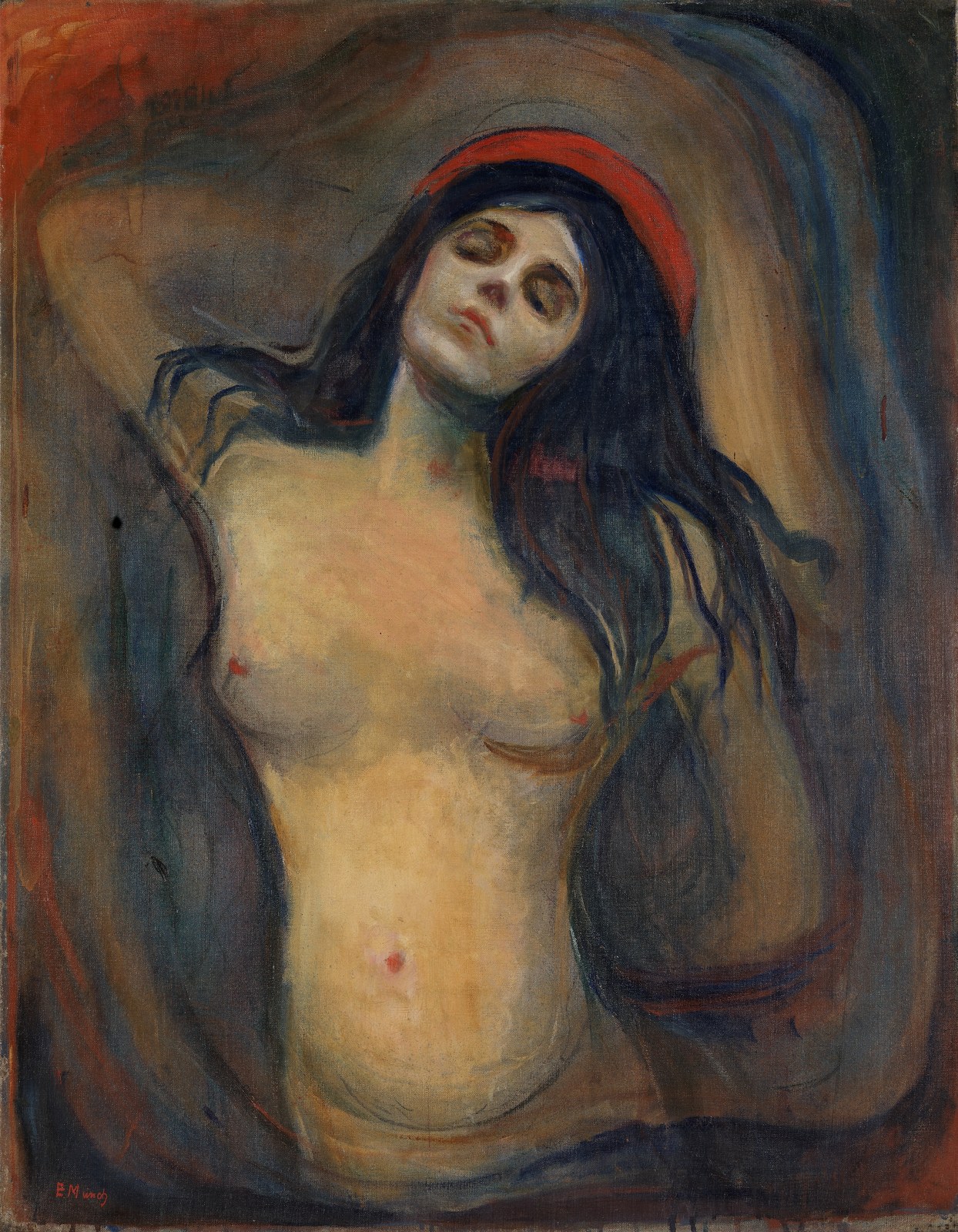
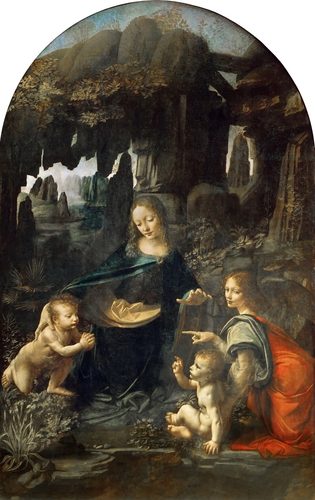
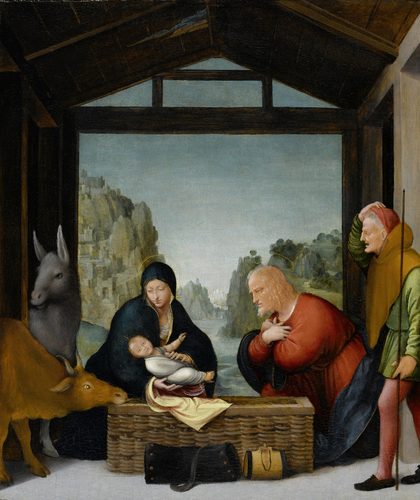
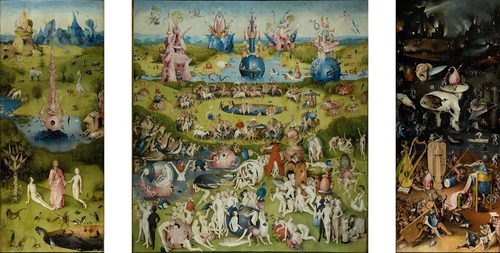
Religious art is any painting, sculpture, or image made to depict, honor, or serve a faith tradition's sacred figures, stories, and rituals. Across cultures it spans Christian altarpieces and icons, Buddhist mandalas and thangkas, Hindu temple sculpture, and the geometric and calligraphic art that stands in for figuration in Islamic tradition. Its purpose was rarely decoration alone: art instructed worshippers in scripture, gave a physical focus for prayer, and marked churches, temples, and shrines as holy space. In Christian Europe, religious commissions dominated art production for over a millennium, funded by popes, monasteries, and wealthy patrons buying favor or commemorating the dead. The genre sat at the top of the academic hierarchy alongside history painting, since it demanded the same narrative and figural skill applied to the highest possible subject. Conventions differ sharply by faith—some traditions depict divine figures directly, others forbid it entirely—but all use art to make the invisible feel present.
The rules of the genre
The Halo
A ring or disc of light around the head marks sanctity across traditions—gold circles behind Christian saints, flaming aureoles behind Buddhist and Hindu figures—signaling holiness instantly, without a single written word or caption.
Frontal Icons
Devotional images built for prayer, not narrative, often show a holy figure facing the viewer directly, symmetrical and still, so the worshipper feels addressed rather than merely watching a story.
Gold Ground
Flat gold backgrounds remove a scene from ordinary space and time, common in Byzantine icons and early altarpieces, signaling that the action occurs in eternity rather than any particular place.
Narrative Cycles
Sacred stories often unfold across multiple panels, frescoes, or wall sections arranged in sequence, letting worshippers walk past and absorb a whole scripture story episode by episode, like a slow, wordless visual sermon.
Sacred Geometry
Where figural depiction of the divine is restricted, pattern carries the meaning instead—interlocking geometric forms and flowing calligraphy in Islamic art, symmetrical mandalas in Buddhist and Hindu practice, structuring the eye toward quiet contemplation.
Donor Portraits
Patrons who paid for an altarpiece often appear kneeling at its edge in contemporary dress, smaller in scale than the sacred figures, visible evidence of the piety and money that commissioned the work.
Symbol decoder
How to read a religious art
- Halo
- → A circle or disc of light denoting sanctity or divine presence, used across Christian, Buddhist, and Hindu traditions.
- Lamb
- → In Christian art, innocence and sacrifice, closely tied to devotional imagery of Christ.
- Lotus
- → In Buddhist and Hindu art, purity and spiritual awakening rising untouched from muddy water.
- Dove
- → In Christian art, peace and the Holy Spirit, often shown descending from above.
- Calligraphy
- → In Islamic art, sacred text rendered as image, standing in for figural depiction of the divine.
- Mandala
- → A geometric diagram of the cosmos used in Buddhist and Hindu art as a focus for meditation.
- Flame
- → Illumination and divine presence, seen in aureoles and lamps across several traditions.
- Lily
- → In Christian art, purity, frequently placed near devotional figures in annunciation scenes.
The story
Religious art predates written history, but as an organized European tradition it grew from early Christian catacomb painting through Byzantine icons, whose flat gold style set the template for centuries of devotional images. The medieval church became art's dominant patron, commissioning altarpieces, illuminated manuscripts, and cathedral sculpture to teach a largely illiterate population. The Renaissance brought increasing naturalism to sacred scenes without abandoning their devotional purpose, and the Counter-Reformation pushed Catholic art toward theatrical emotion meant to move viewers back toward the church. Academies later ranked religious subjects alongside history painting at the top of their hierarchy, prizing the same command of figure and narrative. Beyond Christianity, Buddhist, Hindu, and Islamic traditions developed parallel visual languages—mandalas, temple relief, calligraphic ornament—shaped by their own theological rules about depicting the sacred. Religious commissions declined sharply with secularization, but the genre never vanished from either devotional or fine-art practice.
Masterpieces of the genre
| Work | Artist | Date | Why it matters |
|---|---|---|---|
| The Sistine Chapel Ceiling | Michelangelo | 1508–12 | Nine scenes from Genesis span the ceiling of the pope's private chapel. |
| The Ghent Altarpiece | Hubert and Jan van Eyck | 1432 | A multi-panel altarpiece centered on the mystical Adoration of the Lamb. |
| Christ Pantocrator icon | Unknown | c. 6th century | One of the oldest surviving panel icons, held at Saint Catherine's Monastery. |
| The Isenheim Altarpiece | Matthias Grünewald | c. 1512–16 | A folding altarpiece painted for a hospital, its imagery meant to comfort the suffering. |
| The Transfiguration | Raphael | 1516–20 | Raphael's final work, pairing a radiant vision above with turmoil among the apostles below. |
 AI-generated
Paint your own
Hang your own religious art in the salon
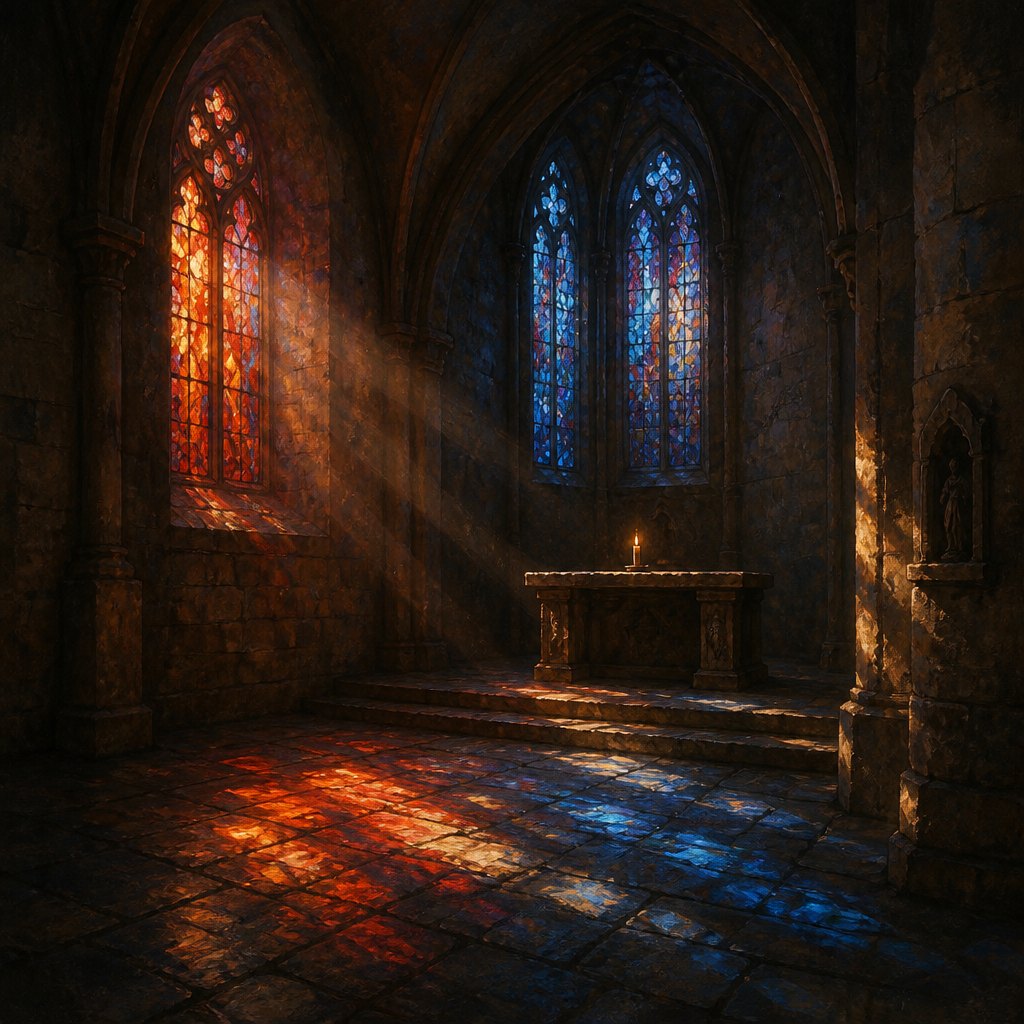
This example was generated from a prompt like: “An empty stone chapel at dusk, sunlight fracturing through tall stained-glass windows into pools of red and blue on the floor, a single lit candle on a bare altar, dust drifting in the light.”
Open the Renaissance Religious Art generator →The genre today
Religious art continues in active devotional production—icon painting, temple sculpture, illuminated calligraphy—even as its role in fine art has shrunk since secularization. Its visual grammar persists everywhere else: halos and radiant light in fantasy and comic art, stained-glass color schemes in game design, cathedral scale and hush borrowed by museums and concert halls. AI image generators reproduce its conventions readily, though generating specific sacred figures raises real questions of respect that generic devotional settings—empty chapels, candlelit interiors—sidestep entirely.
Compose your own
Choose an empty or symbolic sacred space rather than a specific holy figure—a chapel interior with stained glass, a candlelit shrine, an altar bearing incense and offerings. Light the scene with a single strong source, sunlight through colored glass or candle glow, to suggest divine presence without depicting it directly. Use gold, deep blue, and crimson for a devotional palette, and frame the composition symmetrically so it reads as contemplative rather than dynamic. Include quiet symbolic objects—a lit candle, an open book, incense smoke—to carry meaning. Keep the mood still and reverent, avoiding any sense of narrative action or figures in physical conflict.
Frequently asked questions
What is religious art?
Religious art is art made to depict, honor, or serve the sacred stories, figures, and rituals of a faith tradition, used historically to teach scripture and provide a focus for prayer and worship.
What is the difference between an icon and other religious paintings?
An icon is a devotional image, often frontal and symbolic, made as an object of prayer itself, while other religious paintings can be narrative scenes meant to tell a story rather than be venerated.
Why does religious art use gold backgrounds?
Flat gold removes a scene from ordinary time and space, signaling that the figures exist in eternity rather than any specific place, a convention especially common in Byzantine and early Christian icons.
Why do some religious traditions avoid depicting figures?
Some traditions, notably Islam, restrict figural depiction of the divine to avoid idolatry, developing geometric pattern and calligraphy instead as a sacred visual language.