 Art
Art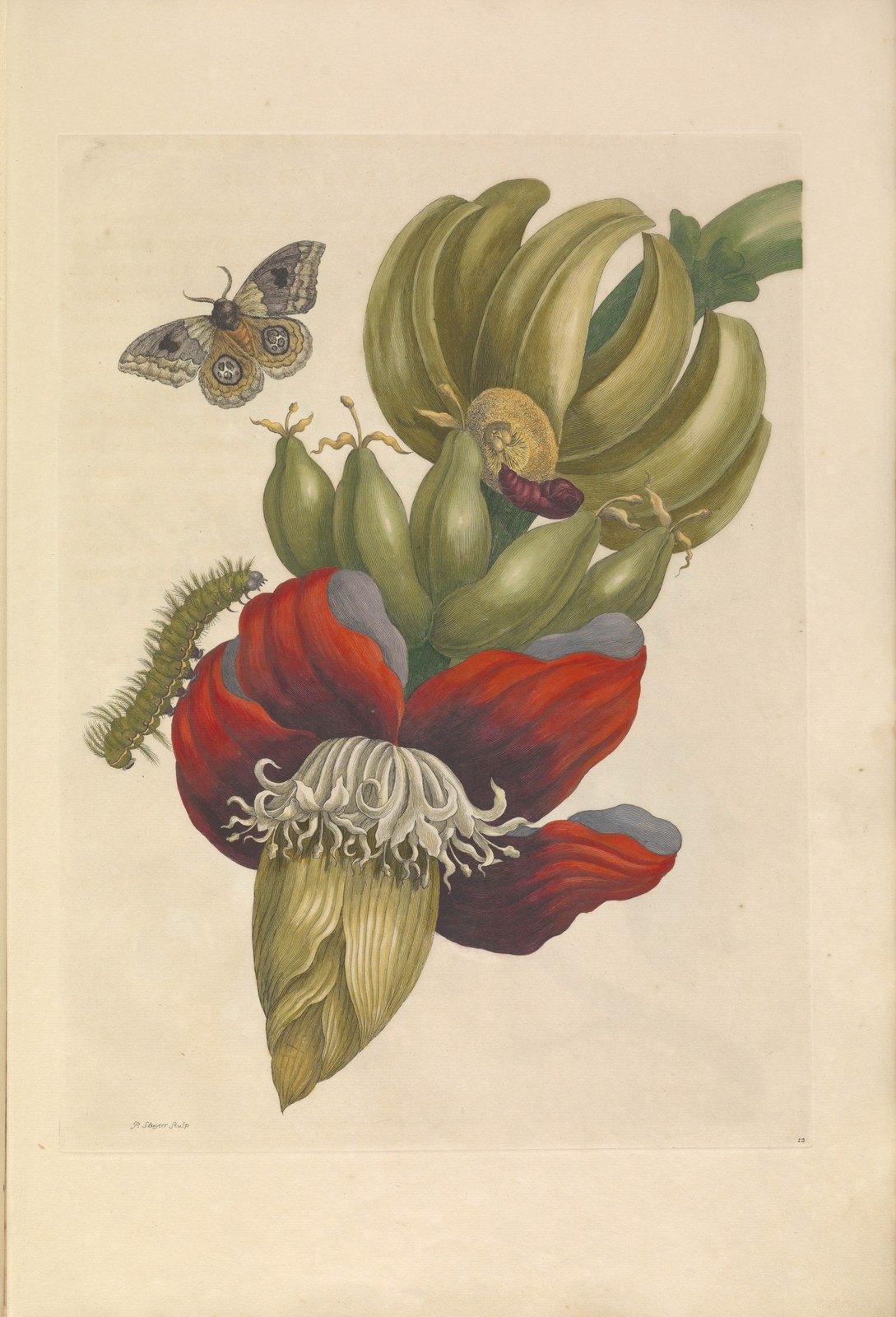
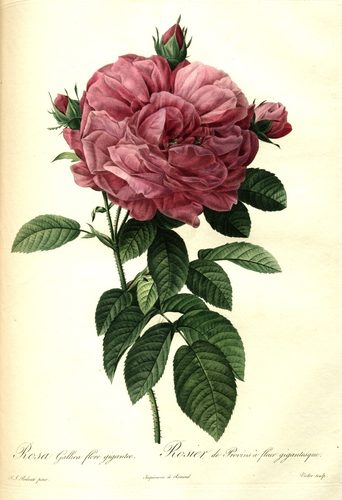
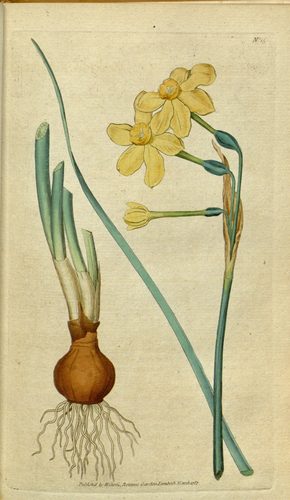
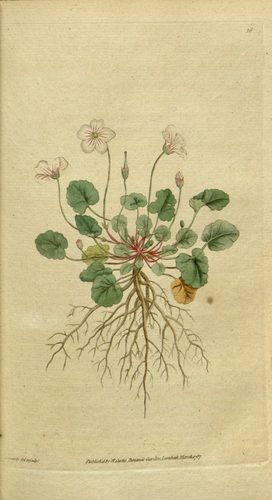
Botanical illustration is the precise depiction of a plant—its flower, leaf, stem, root, and seed—rendered accurately enough that a botanist could identify the species from the picture alone. Unlike a decorative flower painting, it typically isolates the specimen against a plain background, often showing multiple growth stages or cross-sections side by side so no diagnostic detail is left out. The genre grew directly out of practical need: apothecaries required accurate images of medicinal plants long before photography existed, and explorers documented newly encountered species for scientific institutions back home. Wealthy patrons and royal courts funded elaborate florilegia—luxury books of flower portraits—that doubled as status symbols and scientific records. The best botanical artists worked closely with naturalists, dissecting specimens to get anatomy exactly right, and their plates still serve as legal reference documents in plant taxonomy today. The genre sits at the exact intersection of art and science, prized as much for its accuracy as for its quiet, controlled beauty.
The rules of the genre
Isolated Single Specimen
The plant is lifted entirely out of its habitat and set against a blank or pale background, with no landscape, weather, or setting to distract from its structure. This isolation turns the plant into a specimen on a page rather than a scene, letting every vein and petal edge stay legible.
Multiple Life Stages Shown
A single plate often shows the same species at different moments—a bud beside a full bloom beside a dried seed pod—compressing an entire growing season into one composition so a viewer can identify the plant no matter what stage they encounter it in.
Root-to-Seed Full Anatomy
The whole plant appears from root to flower to seed, not just the showy bloom, because a diagnostic image has to account for underground structure and fruiting parts too. Roots are often shown clean and bare, freshly pulled from soil.
Dissection Cutaway Detail
Small supplementary drawings float near the main image, showing a flower sliced open, a seed cross-section, or petals peeled back to expose reproductive parts. These cutaways serve the identical function a diagram serves in a textbook: proof, not decoration.
Soft Directionless Lighting
Light falls evenly across the specimen with no harsh shadow or dramatic side-lighting, because the goal is legibility rather than mood. Color and shading exist only to describe form and texture accurately, never to create atmosphere or narrative.
Labeled Scale Reference
A scale bar, ruler, or stated magnification often accompanies the image so a scientist can judge true size, since the plant itself is rendered life-size or enlarged for clarity. Handwritten Latin binomial names frequently appear beneath the plate.
Symbol decoder
How to read a botanical illustration
- Cutaway cross-section
- → Reveals internal seed or floral structure the way a technical drawing reveals a machine's interior.
- Bare root ball
- → Signals a specimen freshly collected in the field rather than depicted from memory or hearsay.
- Latin binomial label
- → Anchors the image to formal taxonomy rather than folk or common naming.
- Insect on leaf
- → Shows real-world scale and often signals pollination behavior worth recording alongside the plant.
- Multiple bloom stages
- → Compresses a growing season into one image, proving identification works at any point in the cycle.
- Dissected seed pod
- → Confirms species identity through reproductive anatomy, the most diagnostically reliable plant part.
The story
Botanical illustration predates modern science: monastery herbals from the medieval period copied plant images for medicinal reference, though early copies drifted far from what the plants actually looked like. The genre sharpened dramatically in the sixteenth and seventeenth centuries as printing spread and European naturalists began cataloguing new species never seen before, demanding first-hand observational accuracy rather than inherited templates. The eighteenth century, spurred by a new botanical classification system, became a golden age—expeditions sent artists alongside scientists specifically to document flora, and wealthy patrons commissioned lavish florilegia as both scientific record and luxury object. Because it served science rather than pure aesthetics, the Academy hierarchy never ranked botanical illustration among the fine arts at all, treating it as skilled craft. Photography and, later, digital imaging took over much of its documentary role, but hand-drawn botanical plates persist because an illustrator can combine multiple angles and growth stages a photograph cannot capture in one frame.
Masterpieces of the genre
| Work | Artist | Date | Why it matters |
|---|---|---|---|
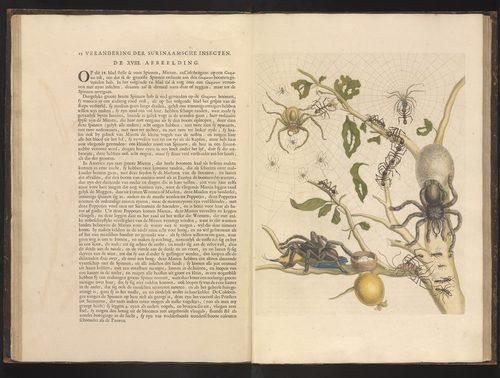
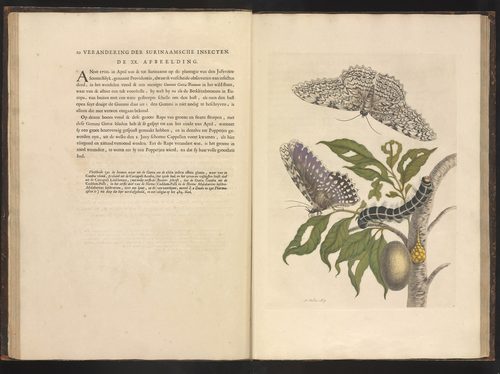
| Metamorphosis Insectorum Surinamensium | Maria Sibylla Merian | 1705 | Paired insect life cycles with the host plants they fed on, field-observed in Suriname. |
| Les Roses | Pierre-Joseph Redouté | 1817–1824 | A multi-volume study of rose varieties, still the genre's most famous flower atlas. |
| Hortus Eystettensis | Basilius Besler | 1613 | An oversized florilegium documenting the entire planting of a German garden. |
| A Curious Herbal | Elizabeth Blackwell | 1737–1739 | A self-published medicinal plant guide illustrated to support her imprisoned husband. |
| Amazon field studies | Margaret Mee | 1950s–1980s | Documented endangered Amazonian flora in the field, blending art with conservation urgency. |
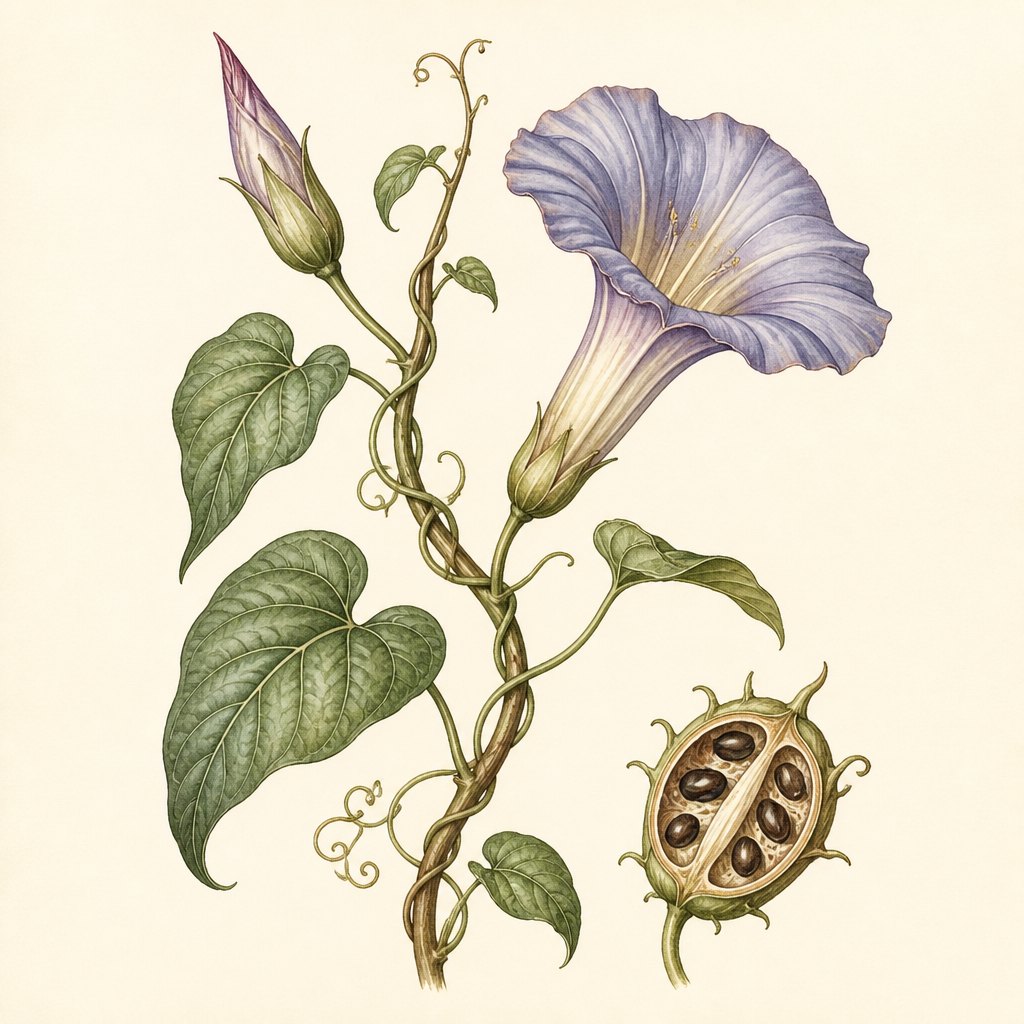 AI-generated
Paint your own
Hang your own botanical illustration in the salon
This example was generated from a prompt like: “A detailed botanical plate of an imagined trumpet-shaped flowering vine: full stem with leaves, one open bloom, one bud, and a cross-sectioned seed pod, rendered in soft watercolor on cream paper with fine linework and no background.”
Open the Botanical Illustration Art Style generator →The genre today
Botanical illustration still thrives in field guides, seed catalogs, herbaria, and legal botanical documentation, where an illustrator can show diagnostic detail a photograph blurs or hides. Scientific journals continue to commission hand-drawn plates for newly described species specifically because line drawings can combine views a single photo cannot. Digital tablets have replaced watercolor for many working illustrators, but the conventions—isolated specimen, root to seed, labeled parts—remain unchanged. Conservation projects also use the genre to document endangered plants before habitat loss erases them entirely.
Compose your own
Choose a single plant and remove it from any setting—no landscape, no background clutter, just the specimen centered on a plain pale surface. Show it root to seed if possible: root system, stem, leaf, flower, and a seed pod or fruit, arranged so the whole life of the plant reads at once. Add one or two small cutaway details, like a flower sliced open or a seed in cross-section, floating near the main image. Use soft, even, directionless light so color and texture read clearly with no dramatic shadow. Render every vein, hair, and petal edge with careful precision rather than loose brushwork, and leave generous white space around the specimen so it reads as documentation, not decoration.
Frequently asked questions
What is botanical illustration?
Botanical illustration is the precise depiction of a plant—root, stem, leaf, flower, and seed—accurate enough that a species could be identified from the image alone, distinguishing it from decorative flower painting.
How is botanical illustration different from a flower painting?
A flower painting aims for mood or beauty first; botanical illustration prioritizes diagnostic accuracy, often showing multiple growth stages, roots, and cross-sections that a purely decorative image would leave out.
Who used botanical illustrations historically?
Apothecaries, naturalists, and scientific expeditions relied on them before photography existed, and wealthy patrons commissioned luxury flower books called florilegia that doubled as status objects and scientific records.
Is botanical illustration still used today?
Yes—scientific journals, field guides, and conservation projects still commission hand-drawn plates because an illustrator can combine multiple angles and growth stages that a single photograph cannot capture.