 Art
Art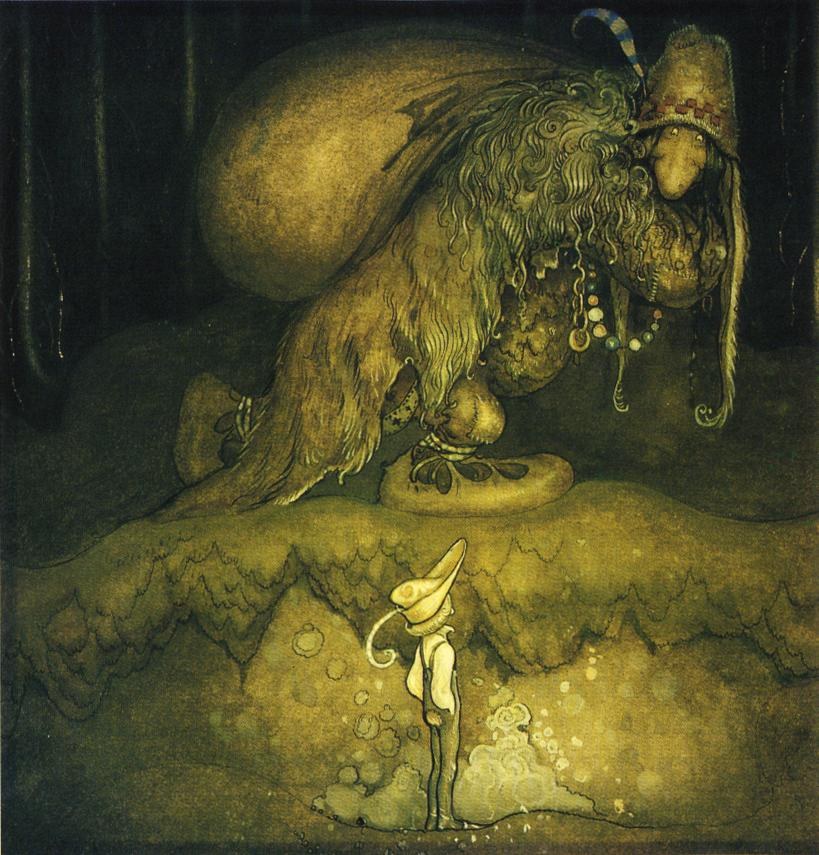
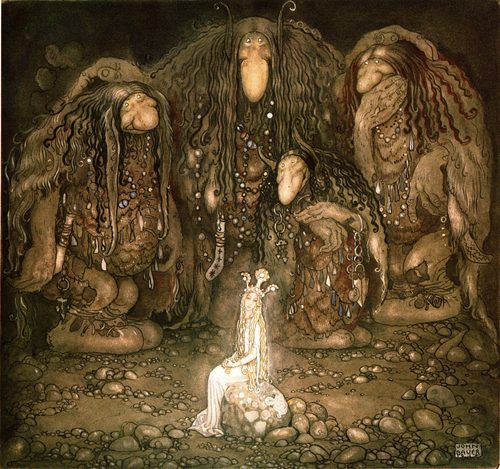
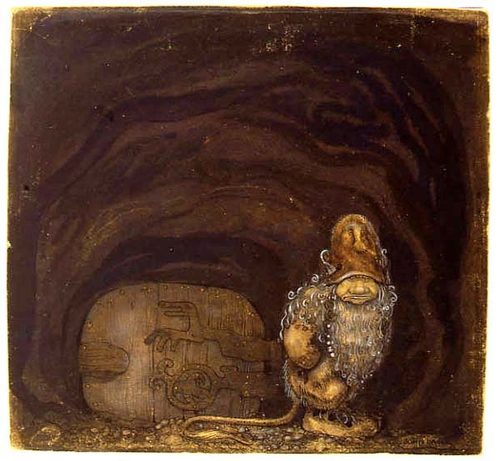
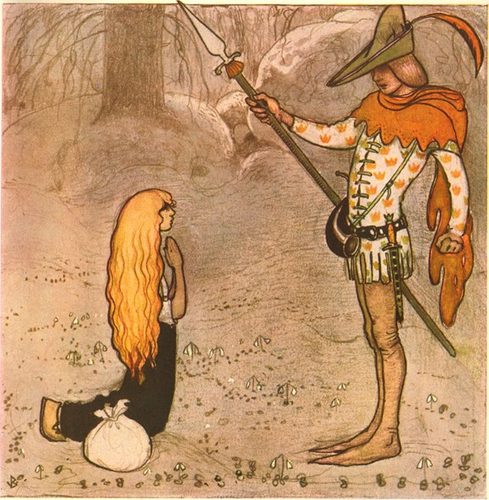
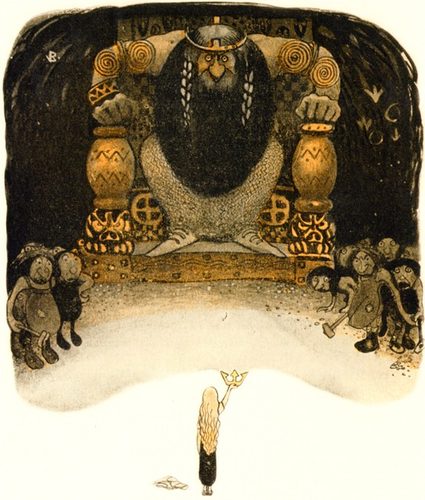
Fantasy art depicts beings, places, and events that exist only in imagination or myth—dragons, wizards, invented kingdoms, magical creatures—rendered with the same technical seriousness as a history painting or portrait. It grew out of illustration rather than the fine-art academy, first flourishing on pulp magazine covers and book jackets that needed to grab a browsing reader's eye in a single glance. The genre borrows heavily from folklore, mythology, and medieval imagery, but recombines them freely into worlds with their own invented rules rather than depicting any specific culture's actual belief system. Because it exists to sell the believability of the impossible, fantasy art leans on dramatic lighting, exaggerated scale, and hyper-detailed texture—scales, armor, fur, stone—to convince the eye that a creature or castle that never existed could be real. It found its widest audience through book covers, tabletop games, and later film and video game concept art, where a single striking image has to establish an entire invented world's tone before a viewer ever reads a word of the story.
The rules of the genre
Dramatic Cinematic Lighting
Fantasy art favors theatrical lighting—a glowing sword, a shaft of light through storm clouds, rim light separating a figure from a dark background—because the genre has to sell an impossible scene as believable and exciting within a single frozen image.
Hyper-Detailed Surface Texture
Scales, armor plating, fur, and stone are rendered in obsessive, almost fetishistic detail, since surface believability does the work of convincing a viewer that an invented creature or object could physically exist, even though nothing about it is real.
Extreme Scale Contrast
A tiny human figure is often placed against a towering creature, cliff, or fortress to communicate scale and awe instantly, using the same trick as a photograph of a person standing next to a skyscraper for the same reason.
Invented Hybrid Creatures
Beings combine parts from different animals, myths, or pure imagination—wings on a lion, scales on a horse, a face that's part human and part something else entirely—signaling a world where the normal rules of biology simply don't apply.
Pseudo-Medieval Costume Layering
Armor, robes, cloaks, and ornate weapons build a loosely medieval or invented-historical silhouette, borrowing the visual authority of real history without depicting any specific documented culture or era, keeping the setting recognizable but unplaceable.
Frozen Heroic Action Beat
Compositions usually capture one dramatic, poster-worthy instant—a blade mid-swing, a spell mid-cast, a creature mid-roar—rather than a quiet or ordinary moment, because the image has to work as a single, self-contained piece of storytelling.
Symbol decoder
How to read a fantasy art
- Dragon
- → The genre's signature creature, standing for ancient, overwhelming power and treasure worth guarding or seeking.
- Glowing rune or sigil
- → Visual shorthand for active magic, marking an object or figure as supernaturally significant.
- Ruined tower or castle
- → Signals a lost or ancient civilization, adding history and mystery to an invented world.
- Ornate enchanted weapon
- → A sword or staff with glowing or unusual detailing marks its bearer as chosen or powerful.
- Mist or fog
- → Obscures the edges of a scene, suggesting a world larger and stranger than what's shown.
- Winged creature in flight
- → Conveys freedom, threat, or otherworldly scale depending on size and lighting.
The story
Fantasy art has roots in folklore illustration and mythological painting, but the genre as commonly understood took shape in the twentieth century, growing directly out of pulp magazine covers and paperback book jackets in the early-to-mid 1900s. Illustrators working under tight commercial deadlines developed the genre's signature moves—dramatic lighting, extreme scale, hyper-detailed texture—specifically because a cover had to grab a browsing reader in a single glance. The genre expanded enormously alongside the rise of fantasy literature and tabletop role-playing games in the later twentieth century, which needed constant new imagery for books, boxes, and cards. Because it began as commercial illustration rather than fine art, fantasy art never entered the Academy's hierarchy at all, and for decades critics dismissed it as genre work beneath serious consideration. Video games and film concept art became the genre's next major home, demanding entire invented worlds be visualized consistently across hundreds of images by production teams rather than single artists.
Masterpieces of the genre
| Work | Artist | Date | Why it matters |
|---|---|---|---|
| Death Dealer | Frank Frazetta | 1973 | An armored rider on a monstrous horse that became one of fantasy art's most reproduced images. |
| Bland tomtar och troll illustrations | John Bauer | 1907–1915 | Swedish forest trolls and fairy-tale figures rendered with folkloric gravity rather than whimsy. |
| Fairy tale edition illustrations | Arthur Rackham | early 1900s | Gnarled, atmospheric linework that shaped how illustrated fantasy forests still look today. |
| The Lord of the Rings illustrations | Alan Lee | 1990s | Watercolor illustrations for a 1991 centenary edition of Tolkien's trilogy; Lee later worked as a conceptual designer on the films. |
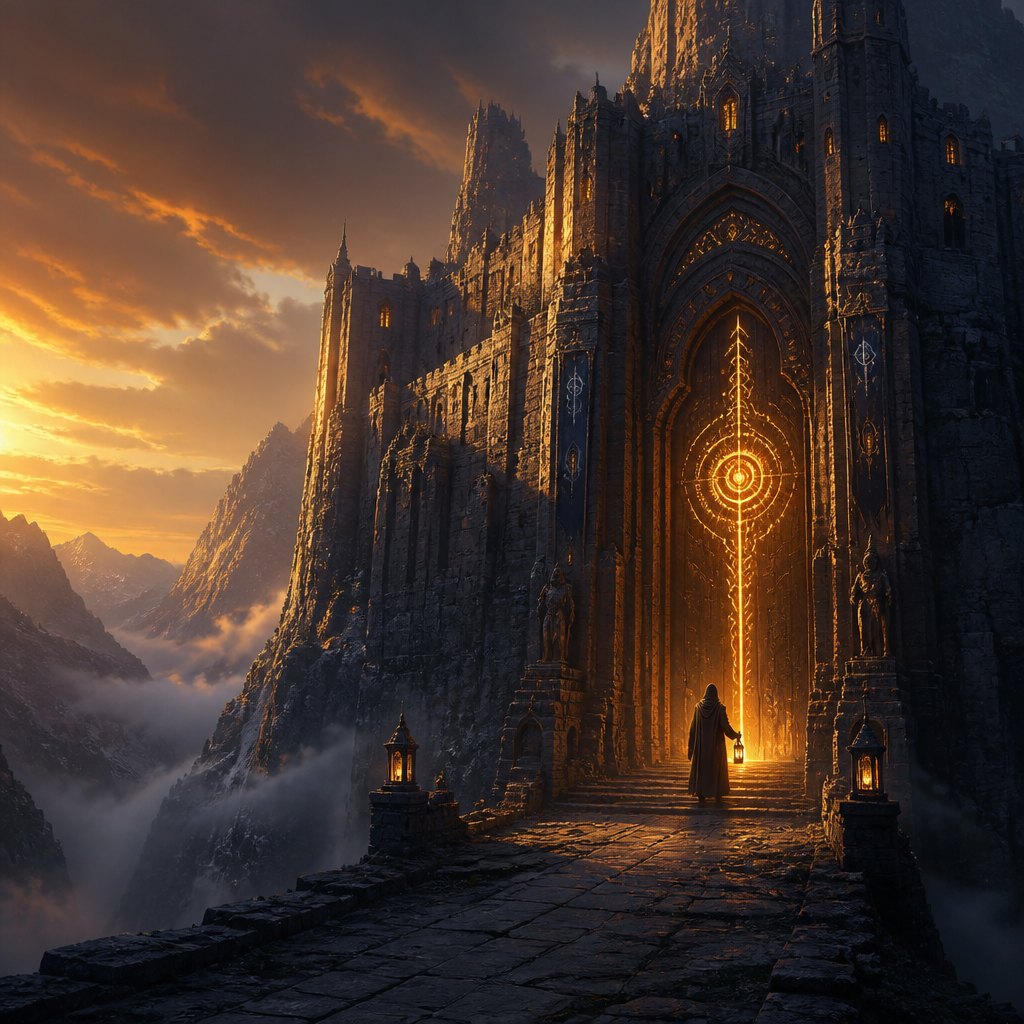 AI-generated
Paint your own
Hang your own fantasy art in the salon
This example was generated from a prompt like: “An enormous stone fortress perched on a cliff at dusk, glowing runes carved into its gates, a small robed figure standing before the entrance holding a lantern, mist curling through the valley below, dramatic golden rim light.”
Open the Epic Fantasy Art generator →The genre today
Fantasy art now lives mainly in book covers, tabletop and video games, and film concept art, where entire invented worlds need consistent visual language across thousands of assets. AI image generation has made the genre one of the most heavily prompted categories online, since its conventions—dramatic lighting, hybrid creatures, scale contrast—translate easily into text prompts. Digital painting software has replaced traditional media for most working fantasy artists, but the core commercial pressure remains the same as pulp-era covers: grab attention and sell a world instantly.
Compose your own
Invent a creature, character, or structure that combines familiar elements into something new—wings on an unlikely animal, architecture that mixes historical styles freely. Light it dramatically, with a strong source like a glowing object, sunset, or magical effect that rims the subject against a darker background. Add extreme scale contrast, a tiny figure against something massive, to sell awe in a single glance. Render surface texture obsessively—scales, fur, weathered stone, engraved metal—since convincing detail is what makes an impossible subject feel physically real. Build a loosely medieval or invented-historical costume rather than modern clothing, and freeze the action at its most dramatic possible instant rather than a calm moment.
Frequently asked questions
What is fantasy art?
Fantasy art depicts imaginary beings, magic, and invented worlds—dragons, wizards, fantastical creatures—rendered with the same technical seriousness as historical or realist painting.
Where did fantasy art come from?
It grew out of pulp magazine covers and paperback book jackets in the early-to-mid twentieth century, developed by illustrators who needed to grab a reader's attention instantly.
What makes fantasy art look believable?
Hyper-detailed textures, dramatic lighting, and extreme scale contrast do most of the work, convincing the eye that an impossible creature or world could physically exist.
Is fantasy art considered fine art?
It began as commercial illustration and was long dismissed by fine-art institutions, though contemporary game and film concept art has earned it growing critical respect.