 Art
Art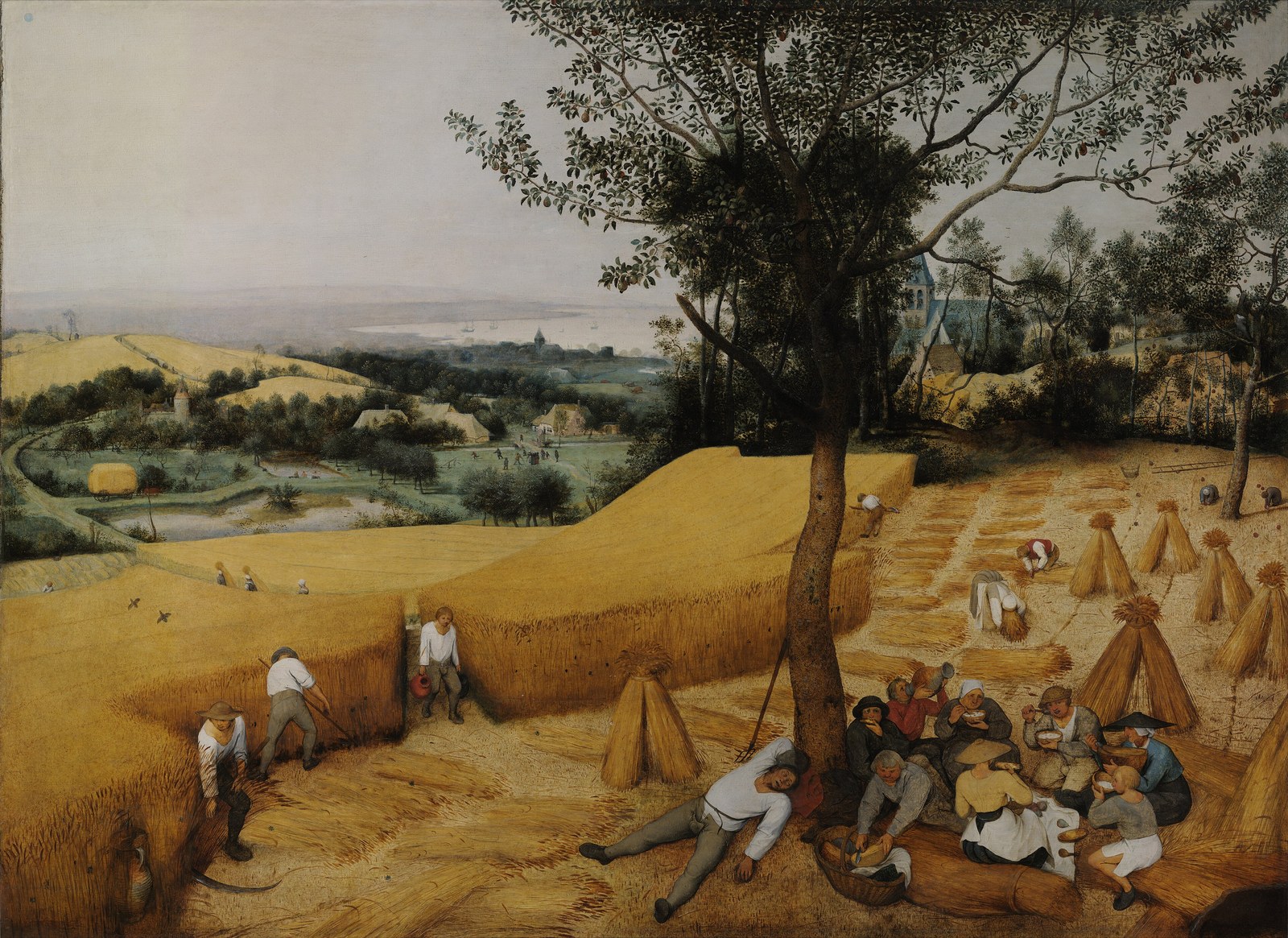
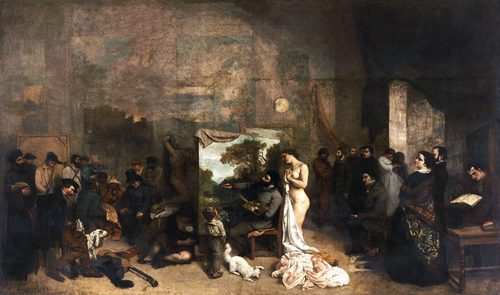
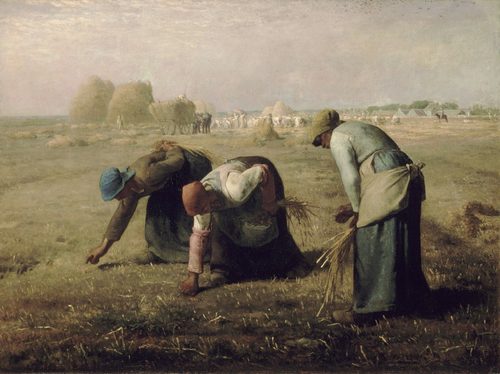
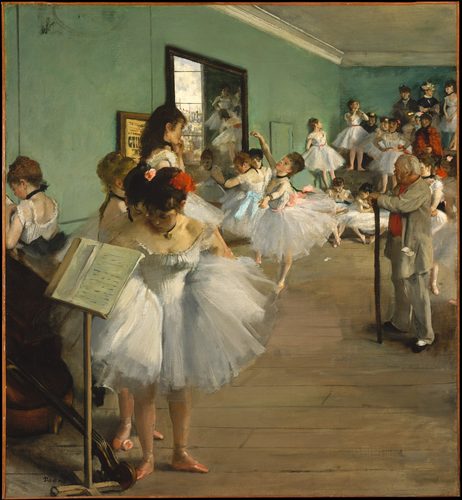
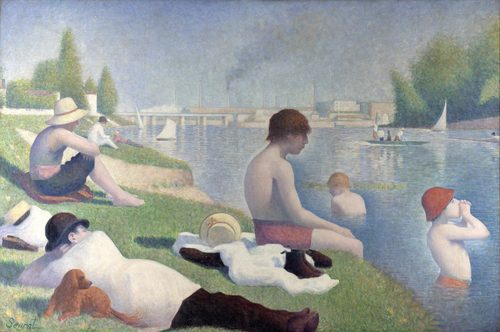
Figurative art is any work that depicts a recognizable subject drawn from the observed world—a person, an animal, a landscape, an object—rather than abandoning representation for pure color and form. For most of art history this wasn't even a named category; it was simply what painting and sculpture did, so the term only became necessary once abstraction offered a genuine alternative in the twentieth century. Figurative art can be as tightly realistic as a photograph or loosely gestural and expressive, so long as a viewer can still identify what's being shown. It remained the backbone of religious commissions, court portraiture, and public monuments for centuries, because patrons wanted subjects they could recognize: a saint, a monarch, a battle, a beloved face. Even after abstraction's rise, figurative art never disappeared—many major twentieth-century movements returned to the body and the observed world specifically as a reaction against abstraction's total rejection of the visible. Today it remains the most immediately legible mode of image-making, in fine art and everywhere else.
The rules of the genre
Recognizable Subject Anchor
No matter how loosely or tightly it's painted, a figurative work always centers on something a viewer can name—a face, a body, a horse, a bowl of fruit. That anchor is what separates the genre from abstraction, even when the handling gets loose or stylized.
Observed Body Proportion
Figures follow proportions and anatomy rooted in real observation, even when stylized or exaggerated for effect. Artists historically trained on live models and skeletal studies specifically so a painted body would read as believable weight and structure, not just an outline.
Legible Setting or Context
A figure rarely floats in a void; a room, landscape, or plain backdrop situates it in space and often signals status, era, or mood. Even a bare studio background tells the viewer this is a specific, physical moment, not an abstraction.
Modeled Light and Volume
Shading builds the illusion of three-dimensional form on a flat surface—light striking a cheekbone, shadow pooling under a jaw—so the figure reads as occupying real space rather than sitting flat on the picture plane like a silhouette.
Narrative or Psychological Cue
A tilted head, a half-turned gaze, a hand caught mid-gesture—figurative art leans on small physical cues to suggest a story, relationship, or interior mood the viewer is invited to read into the frozen moment.
Stylization Without Losing Legibility
Figurative work can stretch toward abstraction—flattened color, distorted proportion, simplified form—and still qualify, as long as the subject remains identifiable. The genre's only real boundary is that a viewer can still say what they're looking at.
Symbol decoder
How to read a figurative art
- Three-quarter pose
- → A classic compromise angle showing enough of the face and body to read as lifelike, not flat.
- Contrapposto stance
- → Weight shifted onto one leg, signaling relaxed naturalism rather than rigid frontal formality.
- Direct gaze at viewer
- → Breaks the fourth wall, implying awareness, confrontation, or intimacy with the person looking.
- Cropped or partial figure
- → A modern compositional choice suggesting a candid, photographic snapshot rather than a formal full portrait.
- Distorted proportion
- → Signals emotional or psychological emphasis over strict anatomical accuracy.
- Isolated figure on plain ground
- → Strips away narrative context to focus attention entirely on the body or face itself.
The story
Figurative art is the oldest continuous tradition in image-making, running from prehistoric animal paintings through Greek and Roman sculpture, religious icon painting, and centuries of court portraiture. For most of that history it wasn't a distinct category at all—depicting the visible world was simply what art did. The Renaissance formalized its rules through anatomical study and linear perspective, and the Academy placed figurative history painting at the very top of its hierarchy, prizing the human figure above every other subject. The term 'figurative' only gained real currency in the twentieth century, once abstraction offered painters a genuine alternative, forcing artists and critics to name what they were choosing not to abandon. Many major movements after abstraction's rise—expressionist, pop, and photorealist painting among them—returned deliberately to the body and observed world, treating figuration itself as a statement rather than a default. The tension between figuration and abstraction has driven much of modern art's internal argument ever since.
Masterpieces of the genre
| Work | Artist | Date | Why it matters |
|---|---|---|---|
| Mona Lisa | Leonardo da Vinci | c. 1503–1519 | A single figure whose ambiguous expression made psychological presence itself the subject. |
| Las Meninas | Diego Velázquez | 1656 | A group portrait that folds the act of painting figures into its own subject. |
| Olympia | Édouard Manet | 1863 | A frank, direct gaze that scandalized audiences by refusing idealized softening. |
| Andy Warhol | Alice Neel | 1970 | A psychologically probing portrait that treats vulnerability as the true subject of likeness. |
| Benefits Supervisor Sleeping | Lucian Freud | 1995 | Thick, unflinching paint handling that prizes physical presence over flattery. |
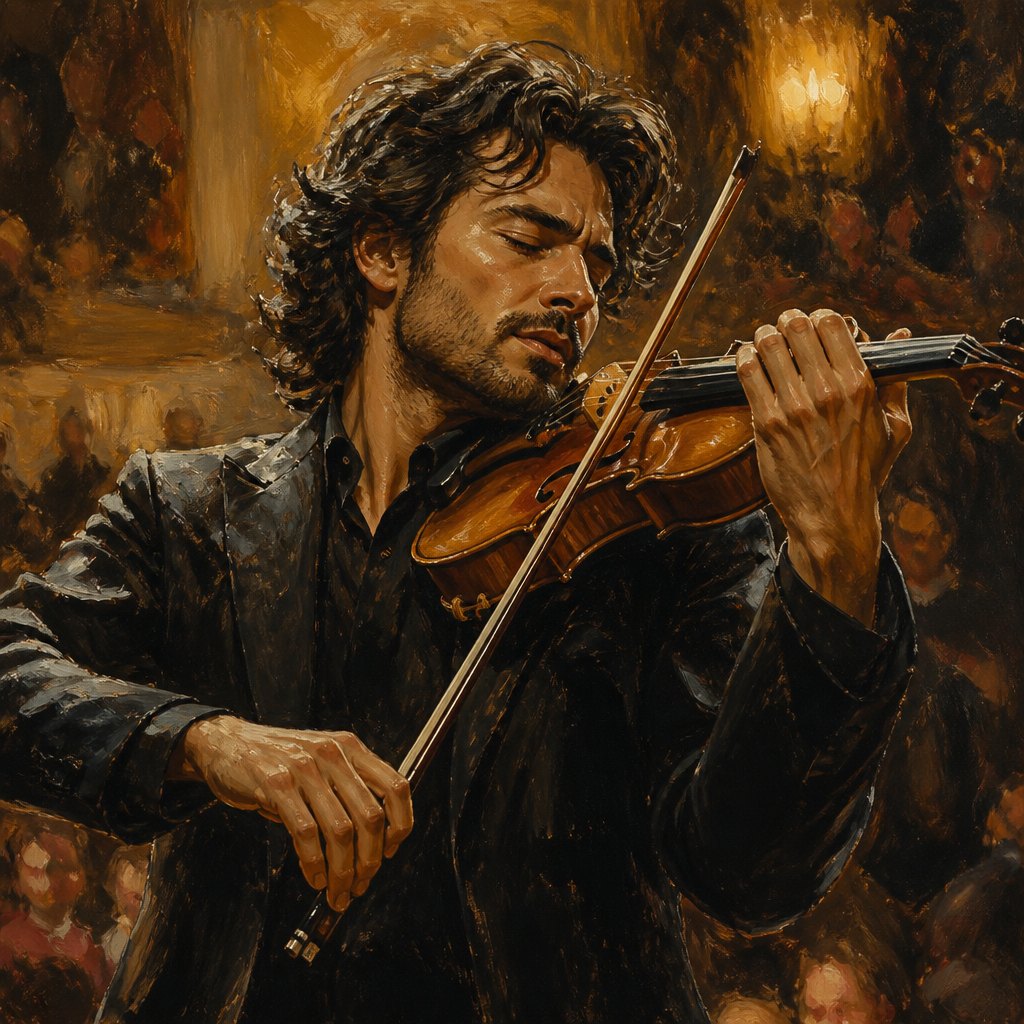 AI-generated
Paint your own
Hang your own figurative art in the salon
This example was generated from a prompt like: “A three-quarter portrait of an imagined violinist mid-performance, eyes closed in concentration, warm stage light modeling the folds of a dark coat, painted with loose expressive brushwork against a softly blurred concert-hall background.”
Open the Classical Realist Figurative Art Style generator →The genre today
Figurative art remains dominant everywhere outside the gallery—photography, film, illustration, comics, and portraiture all default to recognizable people and objects. Photorealism and hyperrealist painting push figurative precision to its technical extreme, while AI image generators are trained overwhelmingly on figurative imagery, making it the default output for most prompts whether users intend abstraction or not. Contemporary figurative painters have also driven a major gallery revival in recent decades, often using the body to address identity, politics, and representation in ways earlier academic figuration rarely attempted.
Compose your own
Pick a clear, recognizable subject—a person, an animal, an object—and commit to it staying identifiable even if the handling gets loose or stylized. Study real proportion and anatomy before distorting it on purpose; exaggeration reads as intentional only when it departs from an accurate baseline. Give the figure a believable setting, even a spare one, so it occupies real space rather than floating in a void. Use directional light to model volume—shadow under the chin, highlight on a cheekbone—so the subject reads as three-dimensional. Add one small physical cue, like a turned head or a mid-motion hand, to suggest a story or mood without needing any text or symbolism to explain it.
Frequently asked questions
What is figurative art?
Figurative art depicts recognizable subjects from the observed world—people, animals, objects, landscapes—rather than abandoning representation for pure abstract color and form.
Is figurative art the same as realism?
No—realism is one style within figurative art aiming for photographic accuracy, but figurative work can also be loose, expressive, or stylized as long as the subject stays identifiable.
Why did 'figurative art' become a named category?
The term only became necessary once abstraction offered artists a genuine alternative in the twentieth century, requiring a name for the choice to keep depicting the visible world.
Is figurative art still made today?
Yes—it dominates photography, illustration, film, and portraiture, and has driven a major contemporary gallery revival as artists use the body to explore identity and representation.